
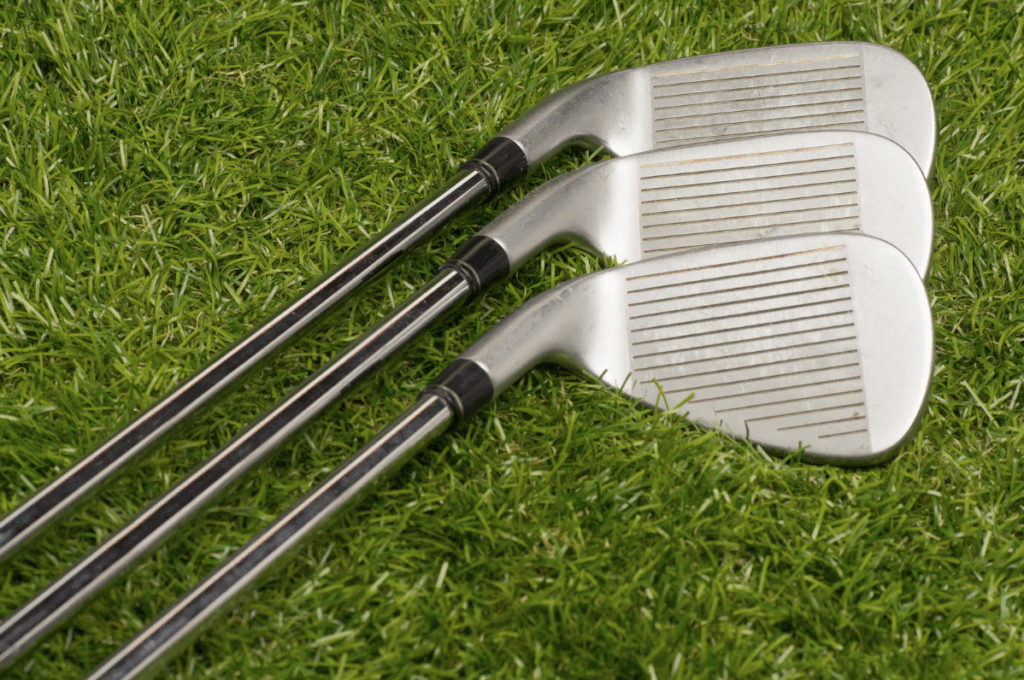
If your approach shots are landing on the green but refusing to stop, Worn Grooves may be the hidden culprit. Many golfers blame swing mechanics for reduced spin or inconsistent distance. However, groove wear plays a major role in performance loss.
Over time, repeated impact with golf balls, sand, and turf gradually smooths the sharp edges of your clubface grooves. As a result, friction decreases. When friction drops, spin suffers.
Understanding how Worn Grooves affect your shots can help you restore control and regain scoring confidence.
Why Grooves Matter So Much
Grooves are not decorative lines. They serve a precise function.
When your clubface strikes the ball, grooves channel away grass, moisture, and debris. This allows the ball to contact more cleanly with the metal surface. Consequently, friction increases, which produces spin.
Without sharp groove edges, debris remains between the ball and clubface. Because of this interference, spin rate drops significantly.
That is why Worn Grooves directly impact your ability to control trajectory and stopping power.
How Worn Grooves Reduce Spin
Spin depends on clean contact and friction. As grooves wear down, their edges become rounded.
Rounded grooves fail to grip the ball effectively. Therefore, the ball slides slightly up the face rather than grabbing and spinning.
This sliding effect leads to lower spin rates. In turn, approach shots release more after landing.
While the change may feel subtle at first, Worn Grooves gradually reduce control in noticeable ways.
The Impact on Distance Control
Distance control relies on consistent spin rates.
If spin decreases, the ball flies differently. Lower spin often produces lower ball flight and longer rollout. As a result, shots may travel farther than expected.
Because your brain expects a certain stopping behavior, inconsistency creates confusion. One shot checks. The next rolls ten extra feet.
This unpredictability often traces back to Worn Grooves, not swing flaws.
Wedges Suffer the Most
Although all irons have grooves, wedges experience the fastest wear.
Sand, rough, and bunker shots accelerate groove erosion. Since wedges generate the highest spin rates, they depend heavily on sharp edges.
For players who practice frequently, Worn Grooves can develop within one to two seasons.
If your wedge shots no longer stop quickly, groove wear deserves attention.
How to Identify Groove Wear
Visual inspection provides the first clue.
Look closely at the groove edges. Sharp grooves appear crisp and defined. Worn ones look rounded and smooth.
You may also notice shiny areas in the center of the clubface. These “impact spots” signal repeated contact and surface smoothing.
Performance changes provide another indicator. If your shots suddenly release more on the green, Worn Grooves may be affecting spin.
Testing Spin Loss
A simple on-course test can reveal groove performance.
Hit several wedge shots from the fairway at a consistent distance. Observe how quickly the ball stops.
If shots roll out more than expected, especially compared to previous seasons, groove wear may be the cause.
For precise measurement, launch monitors can track spin rates. Comparing current spin numbers to past data highlights the impact of Worn Grooves clearly.
Can You Restore Worn Grooves?
Some tools claim to sharpen grooves. While these devices may slightly clean debris, they cannot fully restore original edge sharpness.
In fact, aggressive groove sharpening can make clubs non-conforming under golf regulations.
Therefore, once grooves are significantly worn, replacement remains the safest solution.
Understanding this prevents unrealistic expectations about fixing Worn Grooves permanently.
How Long Do Grooves Last?
Groove lifespan depends on frequency of play and practice.
Casual golfers who play monthly may use wedges for several years. However, frequent players practicing weekly may see performance decline within 12 to 24 months.
Range balls and sandy conditions accelerate wear.
Monitoring performance rather than calendar age provides the most reliable signal of Worn Grooves.
The Hidden Cost of Groove Wear
Many golfers delay replacing wedges to save money. However, reduced spin leads to more putts and higher scores.
If approach shots roll past the hole consistently, scoring opportunities decrease.
Over time, the cost of lost performance may exceed the price of new wedges.
Addressing Worn Grooves promptly protects both your scorecard and confidence.
Do Modern Grooves Wear Slower?
Manufacturers use advanced milling techniques to enhance durability. However, no groove lasts forever.
Even high-end forged wedges experience wear. The difference lies in precision manufacturing and initial sharpness.
While modern technology improves consistency, Worn Grooves remain inevitable with repeated use.
Balancing Feel and Performance
Some golfers love the feel of older wedges. However, feel alone does not guarantee performance.
Sharp grooves generate predictable spin. Predictable spin builds confidence.
Balancing sentimental attachment with measurable results ensures better long-term improvement.
Replacing clubs when Worn Grooves reduce control demonstrates smart course management.
Preventing Premature Groove Wear
Although wear is unavoidable, proper care slows the process.
Clean grooves after every shot. Use a soft brush to remove dirt and sand. Additionally, avoid hitting excessive range balls with your primary wedges.
Rotating practice clubs reduces wear on gaming wedges.
Simple maintenance habits extend groove sharpness and delay the effects of Worn Grooves.
When It’s Time to Replace Your Wedges
Several signs indicate replacement is necessary:
Shots release more than expected
Spin rates drop significantly
Groove edges appear visibly rounded
Impact area looks polished and smooth
If multiple signs appear, upgrading restores performance immediately.
New wedges often deliver noticeable improvements in stopping power and control.
Final Thoughts
Spin and distance control depend heavily on groove condition. While swing mechanics matter, Worn Grooves quietly reduce friction, consistency, and scoring potential.
Regular inspection, performance testing, and timely replacement protect your short game. Instead of blaming technique for unexpected rollout, consider the condition of your equipment.
By staying proactive, you preserve spin, improve approach control, and maintain confidence on the greens.
FAQ
- How often should I replace my wedges?
Frequent players may need new wedges every one to two years depending on usage. - Can groove sharpeners restore full performance?
They may clean grooves but cannot fully restore original factory sharpness. - Do worn grooves affect full iron shots?
Yes, although wedges experience the greatest impact, all irons lose spin as grooves wear. - How can I check if my grooves are worn?
Inspect for rounded edges, shiny impact spots, and reduced spin performance. - Do premium wedges last longer?
High-quality wedges may maintain sharpness slightly longer, but all grooves wear over time.