The dreaded golf slice is arguably the most common and frustrating swing fault for amateur golfers. It steals distance, accuracy, and often, enjoyment from the game. While many associate a slice purely with swing mechanics, understanding how to fix golf slice with equipment can be a surprisingly effective and often overlooked path to straighter, more controlled shots. This article explores specific gear adjustments and club features that can significantly reduce or even eliminate your slice, helping you find the fairway more consistently.
Understanding the Slice: More Than Just a Swing Flaw
Before diving into equipment solutions, it is helpful to briefly understand the mechanics of a slice. It typically occurs when the clubface is open relative to the swing path at impact. This imparts excessive side spin on the ball. While swing path and clubface control are fundamental, certain equipment characteristics can either exacerbate or mitigate this issue. For instance, a driver with too little loft or a shaft that is too stiff for your swing speed can make it harder to square the clubface and achieve proper launch, leading to a slice. Correct golf slice gear aims to counteract these tendencies.
A common misconception is that a slice is solely caused by an “outside-in” swing path. However, the clubface angle at impact is equally, if not more, critical. If the clubface is open at impact relative to the path, a slice will occur. Therefore, selecting the right golf clubs to fix a slice involves choosing gear that helps you deliver a square or slightly closed clubface more easily.
How to Fix Golf Slice with Equipment: Drivers Designed for Straightness
The driver is often the biggest culprit for a slice due to its length and low loft. Fortunately, many modern drivers are specifically designed to help reduce or eliminate a slice. Look for drivers with particular features:
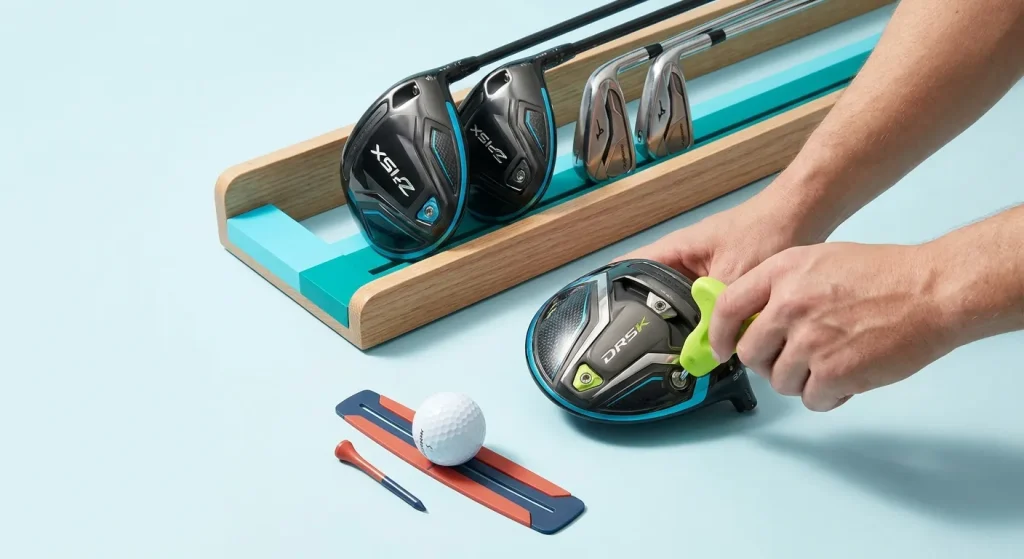
- Draw Bias or Heel Weighting: Many manufacturers offer ‘draw’ models or drivers with adjustable weights that can be positioned towards the heel of the club. This weighting helps close the clubface at impact, reducing the open face angle that causes a slice. These slice-fixing golf clubs are a valuable asset for many players.
- Offset Design: While less common in drivers today, some models feature an offset hosel. Here, the clubface is set slightly behind the shaft. This provides more time for the clubface to square up before impact, making it easier to hit a straighter shot.
- Higher Loft: Counter-intuitively, more loft can help. Higher loft reduces side spin and makes it easier to hit the ball squarely, promoting a straighter flight. If you typically play a 9-degree driver, experimenting with 10.5 or even 12 degrees could be beneficial.
- Softer Shaft Flex: A shaft that is too stiff will not allow the clubhead to release properly, often leaving the face open. A softer, more flexible shaft can help you square the face more consistently, leading to a straighter shot. Equipment to reduce slice often starts with the right shaft.
When selecting a new driver, consider getting fitted by a professional. A fitting session can identify the optimal loft, lie angle, and shaft flex for your unique swing. This personalized approach is often the most effective way to find the right golf clubs to fix a slice.
Irons and Wedges: Equipment Adjustments for Accuracy
While drivers get most of the attention for slicing, your irons and wedges can also contribute to unwanted curvature. If you are consistently fading or slicing your irons, consider:
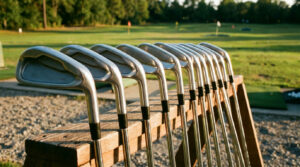
- Perimeter Weighted or Cavity Back Irons: These designs distribute weight to the edges of the clubhead, increasing the Moment of Inertia (MOI). This makes the club more forgiving on off-center hits, meaning shots struck towards the heel or toe will still fly straighter.
- Wider Soles: Irons with wider soles often have a lower center of gravity. This helps get the ball airborne more easily and reduces the tendency to dig into the turf, which can lead to an open clubface at impact.
- Lie Angle Adjustment: If your irons have a lie angle that is too flat for your swing, the toe of the club will dig into the ground, causing the heel to rise and the clubface to open at impact. Conversely, a lie angle that is too upright can cause the heel to dig. Having your lie angles checked and adjusted by a club fitter can significantly improve your iron accuracy. For more information on selecting the right clubs, check out our guide on Things to Consider When Looking for the Best Golf Club Sets.
Remember, even a slight adjustment in your iron setup can make a noticeable difference in ball flight. Paying attention to these details is part of learning how to fix golf slice with equipment effectively.
Shaft Selection: The Backbone of Your Clubs
The shaft is a critical component that often gets overlooked. It acts as the engine of your club, transferring energy from your swing to the ball. The right shaft can significantly help to fix golf slice with equipment. Key factors include:
- Flex: As mentioned, a shaft that is too stiff for your swing speed can prevent the clubface from squaring up at impact. Conversely, a shaft that is too flexible can lead to a hook. Most golfers benefit from a regular or senior flex shaft. Players with faster swing speeds might need a stiff or extra stiff flex.
- Weight: Lighter shafts can increase swing speed, but they might also make it harder to control the clubface for some golfers. Heavier shafts can offer more control but might reduce clubhead speed.
- Torque: This refers to the shaft’s resistance to twisting. Higher torque shafts twist more, which can help some golfers square the face. Lower torque shafts offer more stability.
Understanding shaft characteristics is crucial. Websites like Golf Distillery offer excellent resources on golf swing mechanics and how equipment influences them. Consulting with a club fitter can help you determine the ideal shaft specifications for your swing, thereby helping to fix golf slice with equipment.
Golf Ball Choice: A Subtle but Significant Factor
While less impactful than club selection, the type of golf ball you play can also influence the severity of your slice. Some golf balls are designed to promote straighter flight:
- Low Spin Balls: These balls are engineered to reduce side spin, which can help mitigate a slice. They often feel softer and travel straighter, though they might offer less control around the greens.
- Construction: Two-piece golf balls, often aimed at recreational golfers, generally produce less spin than multi-layer tour balls. This reduced spin can translate to a straighter ball flight for those struggling with a slice.
Experimenting with different golf ball types can be a cost-effective way to see if a subtle change can help you to fix golf slice with equipment. It is not a miracle cure, but it can certainly contribute to better results.
Grip Size and Material: A Foundational Element
Your grip is the only point of contact between you and the club, making its size and material extremely important. An incorrect grip can inadvertently promote a slice:
- Grip Size: If your grips are too thin, you might tend to over-grip the club, leading to tension and an open clubface at impact. Conversely, grips that are too thick can restrict your wrist action, also causing an open clubface. A properly sized grip allows for a comfortable, neutral hold.
- Grip Material: Different materials offer varying levels of tackiness and feedback. A grip that provides good traction, even in wet conditions, can instill confidence and prevent you from gripping too tightly.
Many golfers overlook the importance of their grips. However, a simple check and potential adjustment can make a noticeable difference in how you deliver the clubface, thereby aiding your efforts to fix golf slice with equipment. You might also find our advice on Back to Basics With a Guide to the Best Golf Clubs for Beginners helpful for foundational knowledge.
Hybrid Clubs: A Forgiving Alternative
If you consistently struggle with slicing your long irons, consider replacing them with hybrid clubs. Hybrids combine the best features of irons and fairway woods, offering:
- Increased Forgiveness: Hybrids typically have a larger sweet spot and a lower center of gravity than long irons. This makes them easier to hit squarely and helps reduce side spin.
- Higher Launch: They are designed to get the ball airborne more easily, which can be beneficial for golfers who struggle to hit long irons consistently.
- Versatility: Hybrids are excellent from various lies, including the rough, making them a versatile addition to any golfer’s bag.
For many golfers, switching to hybrids is a direct way to improve consistency and reduce the slice with longer clubs. Our article on Replace Your Irons with Hybrids, for Easier Shots offers more details on this beneficial transition. This is a practical step to fix golf slice with equipment.
Putter and Wedge Selection for the Short Game
While less directly related to a slice, having confidence in your short game can reduce pressure on your longer shots. This indirectly contributes to better swings and less tendency to slice. When considering your putter and wedges:
- Putter Type: Blade putters offer more feel, while mallet putters often provide more stability and forgiveness on off-center strikes. Choose a putter that suits your stroke and helps you start the ball on your intended line.
- Wedge Grind and Bounce: These specifications affect how the wedge interacts with the turf. Selecting the right grind and bounce for your typical course conditions and swing type can improve your chipping and pitching, reducing fat or thin shots that can translate to tension in your full swing.
A solid short game builds confidence. This confidence can then translate to a more relaxed and effective full swing, ultimately helping to fix golf slice with equipment by addressing overall game anxiety.
The Importance of Regular Equipment Checks
Even if you have the perfect setup, regular maintenance and checks are vital. Your clubs are subject to wear and tear, which can subtly alter their performance:
- Loft and Lie Angles: These can change over time, especially if you play frequently or if your clubs endure impacts. Have them checked periodically by a professional club fitter.
- Grip Condition: Worn-out grips lose their tackiness, forcing you to grip tighter, which can lead to tension and an open clubface. Replace grips every 60-80 rounds or once a year, whichever comes first.
- Shaft Integrity: While shafts are durable, hairline cracks or damage can occur, affecting performance. Inspect your shafts regularly.
Proactive maintenance ensures your equipment continues to perform as intended, helping you to consistently fix golf slice with equipment. This diligence is key to sustained improvement on the course.
Conclusion: Your Path to Straighter Shots
Battling a golf slice can be incredibly frustrating, but understanding how to fix golf slice with equipment offers a tangible and often immediate path to improvement. From draw-biased drivers and higher lofts to softer shafts and forgiving irons, there are numerous gear solutions available. Remember that golf is a journey of continuous learning and adaptation. Do not hesitate to experiment with different clubs, shafts, and balls. Furthermore, consider a professional club fitting to ensure your equipment is perfectly matched to your swing. By making informed choices about your gear, you can significantly reduce or even eliminate your slice, leading to more enjoyable rounds and consistently straighter shots. Embrace these equipment adjustments, and watch your game transform!
FAQ: How can I adjust my golf gear to reduce a slice?
You can adjust your golf gear by choosing drivers with draw bias or higher loft, selecting a softer shaft flex, and using perimeter-weighted irons. Also, consider low-spin golf balls and correctly sized grips to help straighten your shots.
FAQ: What type of driver helps to straighten a golf ball flight?
Drivers designed with a draw bias (heel weighting) or a slightly offset design are excellent choices. Additionally, drivers with higher loft (10.5 to 12 degrees) can reduce side spin and promote a straighter trajectory.
FAQ: Can a golf shaft really help reduce a slice?
Absolutely. A shaft that is too stiff for your swing speed can prevent the clubface from squaring up at impact, leading to an open face and a slice. A softer, more flexible shaft can help you release the clubhead properly and deliver a squarer face.
FAQ: Are there specific golf balls that help with slicing?
Yes, low-spin golf balls are engineered to reduce the amount of side spin imparted on the ball. This can significantly lessen the severity of a slice, helping your shots fly straighter. Two-piece construction balls often fall into this category.
FAQ: How do grip adjustments impact slicing?
Incorrect grip size can contribute to a slice. Grips that are too thin can lead to over-gripping and tension, while grips that are too thick can restrict wrist action. Both scenarios can result in an open clubface at impact. Properly sized grips allow for a natural, controlled swing.
FAQ: Should senior golfers consider specific equipment to combat a slice?
Yes, senior golfers often benefit from equipment tailored to their swing speeds, which naturally decrease with age. Lighter clubs, more flexible shafts (like senior flex), and drivers with higher lofts or draw bias are excellent choices. These modifications help maintain clubhead speed and square the face more easily. For more insights, refer to our article on The Best Senior Golf Clubs are Ready and Waiting.