
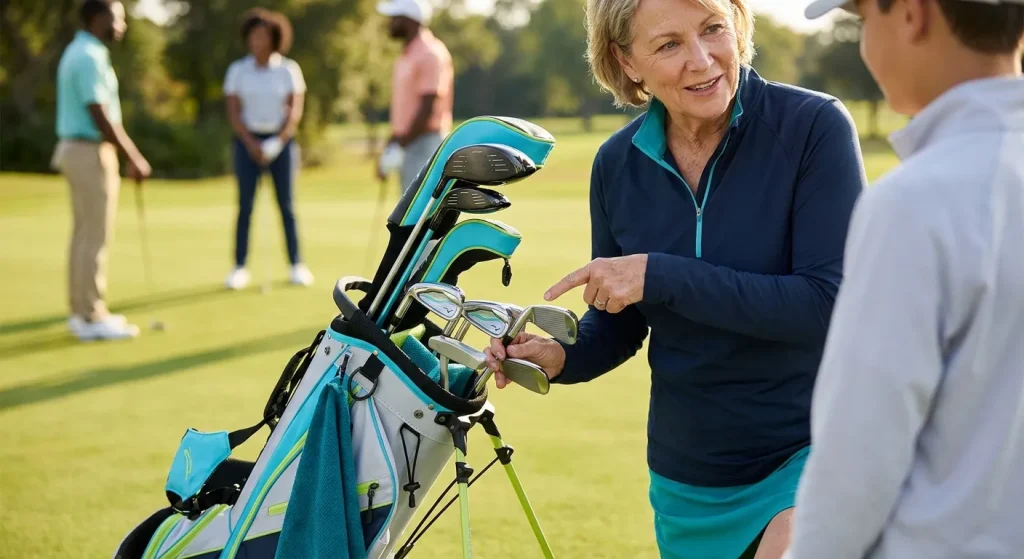
Starting golf can feel overwhelming with the sheer variety of equipment available. For many new players, the biggest question is often, “What do I actually need to get started?” This guide simplifies the process of selecting a beginner golf club set, ensuring you step onto the course with confidence, not confusion. We’ll cut through the jargon and focus on the essentials, helping you make smart choices for your first foray into golf.
What’s Really in a Beginner Golf Club Set?
Forget the intimidating 14-club bags you see on TV. A beginner set focuses on versatility and ease of use. The goal is to give you the fundamental tools without overcomplicating your early learning. Consequently, these sets are thoughtfully curated to provide a solid foundation for new golfers. They prioritize forgiveness and playability above all else.
The Driver: Your Longest Shot
Most beginner sets include a driver, designed for maximum distance off the tee. These often feature larger clubheads and a higher loft (the angle of the clubface) than professional models, making them more forgiving for off-center hits. This increased forgiveness is a key trend in modern club design, benefiting all skill levels. Furthermore, the larger sweet spot helps new players achieve more consistent contact.
Fairway Woods and Hybrids: Versatility is Key
Instead of several long irons which can be challenging for beginners, sets typically feature a fairway wood (like a 3-wood or 5-wood) and one or two hybrids. Hybrids are a fantastic innovation, blending the distance of a wood with the accuracy of an iron, making them much easier to hit from various lies. Their design exemplifies the industry’s move towards smarter, more accessible equipment. In fact, many experienced players now opt to replace their irons with hybrids for easier shots, highlighting their effectiveness.
Irons: The Workhorses of Your Bag
Your beginner set will likely include a selection of irons, typically ranging from a 6-iron or 7-iron up to a pitching wedge. These irons are usually ‘cavity-back’ designs, meaning they have weight distributed to the perimeter of the clubhead. This design feature significantly boosts forgiveness, helping you maintain consistency even on less-than-perfect strikes. This focus on enhanced forgiveness and consistency is a major theme for 2026 equipment releases. Moreover, these designs help get the ball airborne more easily.
Wedges: For Around the Green
A pitching wedge is standard, used for shorter approach shots and chipping. Some sets might include a sand wedge, specifically designed for getting the ball out of bunkers. These specialized clubs are crucial for developing your short game skills. Therefore, understanding their purpose is vital for improving your scores.
The Putter: Where Scores are Made
Every set includes a putter, arguably the most personal club in the bag. For beginners, a simple blade or mallet style putter will suffice. Focus on finding one that feels comfortable and allows you to keep the ball on your intended line. Ultimately, practice with your putter will yield the greatest improvements in your game.
Why a Proper Fit Matters, Even for Starters
While hyper-personalization through advanced fitting systems is a growing trend for experienced players, even beginners benefit from understanding basic fit. Selecting clubs that are roughly appropriate for your height and strength can prevent bad habits and make the game more enjoyable. An ill-fitting club can lead to discomfort and frustration, hindering your progress. Consequently, a little research into basic fit can go a long way.
Understanding Basic Club Specifications
Club length, shaft flex, and grip size are the primary factors to consider. Generally, taller individuals need longer clubs, while those with slower swing speeds benefit from more flexible shafts. Grip size should feel comfortable in your hands, not too thin or too thick. Many manufacturers offer a standard beginner golf club set with options for different heights, such as “standard” or “petite/tall.” Taking these basic measurements into account can significantly enhance your early experience. For instance, a shaft that’s too stiff can make it difficult to generate clubhead speed.
The Importance of Forgiveness in Your First Golf Club Set
Forgiveness refers to a club’s ability to minimize the negative effects of off-center hits. For beginners, this is paramount. Clubs designed for forgiveness have larger sweet spots and perimeter weighting, meaning even if you don’t hit the ball perfectly in the center, it will still fly relatively straight and far. This design philosophy helps build confidence and makes the learning process much less frustrating. Indeed, modern technology has made golf more accessible than ever before, especially for those just starting out.
Choosing Your First Beginner Golf Club Set: Key Considerations
When you’re ready to purchase, several factors should guide your decision. These include budget, brand reputation, and the specific clubs included in the package. A well-chosen set will serve you well through your initial learning phase and beyond.
Budgeting for Your First Golf Clubs
Golf equipment can range dramatically in price. For a beginner golf club set, expect to spend anywhere from $200 to $600. Higher-priced sets often offer more advanced technology, better materials, and a wider selection of clubs. However, a less expensive set can still provide excellent value and performance for a new player. It’s often wise to start with a moderately priced option before investing heavily in premium gear. Remember, you can always upgrade later as your skills develop.
Top Brands for Novice Golfers
Many reputable brands specialize in producing high-quality beginner sets. Names like Callaway, TaylorMade, Wilson, and Strata (a Callaway brand) are popular choices. These brands understand the needs of new golfers and design their sets accordingly, focusing on forgiveness and ease of use. Researching reviews and asking for recommendations can also be helpful. Ultimately, finding a brand that resonates with your personal preferences is key. For more general advice on selecting clubs, refer to our guide on things to consider when looking for the best golf club sets.
What About Used Sets?
Buying a used beginner golf club set can be a cost-effective option. Many golf shops and online retailers offer pre-owned clubs. When considering used clubs, inspect them for excessive wear on the clubfaces, shafts, and grips. While a used set can save you money, ensure the clubs are still in good playable condition. This is a smart way to get started without a significant financial commitment. Furthermore, it allows you to test the waters before investing in brand new equipment.
Beyond the Beginner Golf Club Set: Essential Accessories
While the clubs are the core, other accessories are vital for a complete and enjoyable golf experience. Don’t overlook these items, as they contribute significantly to your comfort and performance on the course.
Golf Balls and Tees
You’ll need plenty of golf balls, especially as a beginner. Choose affordable, durable balls designed for distance and forgiveness. Tees are also essential for driving off the tee box. Keep a good supply of both in your bag. In fact, many new players go through dozens of balls in their first few rounds.
Golf Bag
Most beginner sets come with a golf bag, typically a stand bag that is lightweight and easy to carry. Look for one with ample pockets for balls, tees, and other essentials. A comfortable strap system is also important if you plan to walk the course. Alternatively, some bags feature cart straps for use with a golf cart.
Gloves and Shoes
A golf glove provides better grip and prevents blisters. Golf shoes offer stability and traction, which are crucial for a consistent swing. Invest in a comfortable pair that provides good support. You’ll notice a significant difference in your footing and overall stability. Many beginners underestimate the impact of proper footwear.
Other Useful Items
- Water Bottle: Stay hydrated on the course.
- Sunscreen: Protect your skin from the sun.
- Hat or Visor: Offers sun protection and keeps hair out of your eyes.
- Towel: For cleaning clubs and balls.
- Divot Tool: To repair ball marks on the greens.
- Ball Marker: To mark your ball’s position on the green.
These items, while seemingly minor, greatly enhance your overall experience. Preparing adequately for your rounds ensures maximum enjoyment. Additionally, having a well-stocked bag prevents unnecessary interruptions during play.
Practicing with Your Beginner Golf Club Set
Once you have your equipment, the next step is to practice. Consistent practice builds muscle memory and refines your swing. Start slow and focus on the fundamentals.
At the Driving Range
The driving range is an excellent place to get comfortable with your new clubs. Begin with shorter irons (like an 8-iron or 9-iron) to develop a consistent strike, then gradually work your way up to longer clubs like your fairway woods and driver. Focus on making solid contact before trying to hit for maximum distance. Many ranges offer lessons, which can be incredibly beneficial. Moreover, hitting off mats provides a consistent lie for practice.
On the Putting Green
Spend dedicated time on the practice putting green. Putting is where a significant portion of your score is determined. Practice short putts, medium putts, and long putts. Focus on your stroke and reading the break of the green. A good putting stroke can shave many strokes off your score. You can even practice putting indoors with a simple mat.
Short Game Practice Area
If available, utilize a short game practice area to work on chipping and pitching. These shots around the green are critical for lowering your scores. Experiment with different wedges and learn how to control the distance and trajectory of your short shots. Mastering these shots takes time but pays huge dividends. For more in-depth advice on improving your game, visit our Blog.
Maintaining Your Investment
Proper care of your golf clubs will extend their lifespan and maintain their performance. A little maintenance goes a long way in protecting your investment.
Cleaning Your Clubs
After each round, wipe down your clubheads and shafts with a damp towel. Periodically, use a brush to clean the grooves on your irons and wedges. Clean grooves provide better spin and control. Furthermore, regularly inspect your grips for wear and tear. Dirty clubs not only look bad but can also affect performance. For more information on club care, you can refer to external resources like PGA Tour’s guide on cleaning golf clubs.
Storing Your Clubs
Store your clubs in a dry, temperate environment. Avoid leaving them in a hot car trunk for extended periods, as extreme temperatures can damage grips and epoxy. A garage or closet is usually ideal. Proper storage prevents rust and preserves the integrity of your equipment. Ultimately, treating your clubs well will ensure they perform optimally for years to come.
Conclusion: Embracing Your Golf Journey
Choosing your first beginner golf club set is an exciting step towards enjoying the game of golf. By focusing on forgiveness, understanding the basic components, and considering your budget, you can make an informed decision. Remember, golf is a journey of continuous learning and improvement. Your initial club set is simply the starting point. Embrace the learning process, enjoy the fresh air, and most importantly, have fun on the course. A well-chosen golf club set for beginners will set you up for success. We are here to help you make the best choices for your game. For further reading on equipment, explore resources like Golf Digest’s recommendations for beginner golf clubs.
FAQ
What’s the ideal number of clubs for a new golfer?
A typical set for a new golfer usually includes 7-10 clubs. This provides enough versatility for different shots without overwhelming the player with too many options. These sets often include a driver, a fairway wood or hybrid, a few irons, a pitching wedge, and a putter.
Should I get a men’s or women’s golf club package?
Club sets are often categorized by gender, but the primary difference lies in shaft flexibility and club length, which are tailored to typical male or female swing speeds and heights. Focus on what feels comfortable and appropriate for your physical build and strength. You can find more specific advice in our guides on golf clubs for men and golf clubs for ladies.
Is it worth getting golf lessons with my new equipment?
Absolutely! Lessons from a qualified professional can significantly accelerate your learning process. They teach proper fundamentals, help correct bad habits early on, and make your time on the course much more enjoyable. Think of it as an investment in your golfing future.
How long will a starter golf club set last?
With proper care, a quality starter set can last for many years, even a decade or more. As your skills improve, you might eventually want to upgrade individual clubs or invest in a more advanced full set. However, a good initial set will serve you well through your foundational years.
What’s the most important club for someone just starting golf?
While all clubs have their purpose, the putter is arguably the most crucial for lowering scores. Many strokes are taken on and around the green. Therefore, developing a consistent putting stroke and a good short game can dramatically impact your performance, even with an entry-level club set.