
Protect Your Investment: How to Extend Golf Club Lifespan with Proper Care
Your golf clubs are more than just tools; they’re an investment in your passion and performance on the course. With the global golf club market projected to reach USD 4.3 billion in 2026, the value you place on your gear is significant. But simply buying quality clubs isn’t enough; proper care is crucial to maintain their performance and appearance for years to come. Learning how to extend golf club lifespan is a straightforward process that will save you money and keep your equipment in top condition.
In an era where there’s an increasing focus on equipment longevity, maintaining your gear isn’t just about aesthetics; it’s about preserving the integrity of the technology within. From AI-designed faces to advanced weighting systems, modern clubs are engineered for precision. Neglecting them can degrade their performance, leading to inconsistent shots and premature wear.
The Fundamentals: Why Regular Cleaning Matters
Dirt, sand, and grass aren’t just unsightly; they can be detrimental to your clubs’ performance. Grime in your iron grooves reduces spin, leading to less control. Dirt on your grips makes them slick, compromising your hold. Regular cleaning is the easiest and most effective way to protect your investment.
#### Cleaning Your Clubheads (Irons, Wedges, Woods)
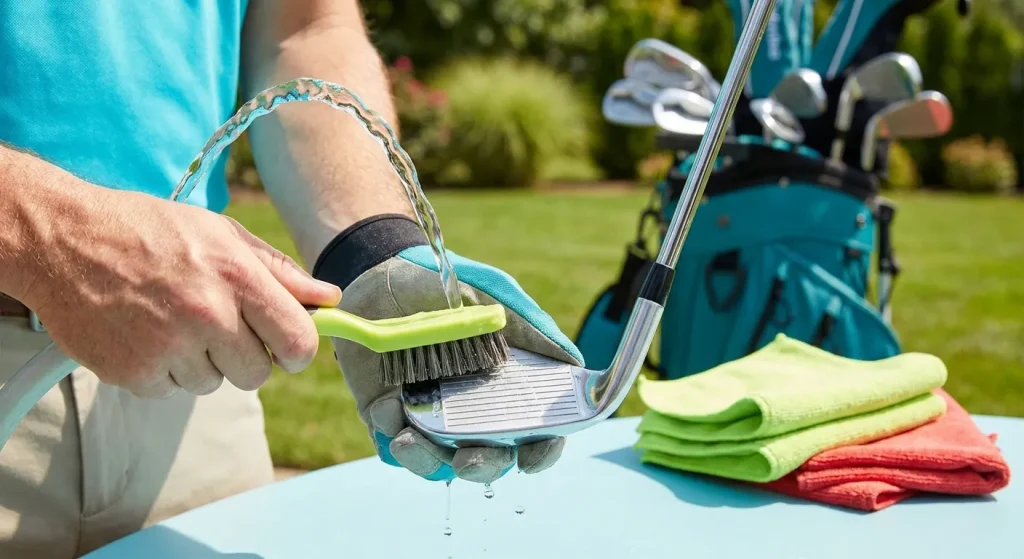
1. Irons and Wedges: After each round, or at least every few rounds, use a stiff-bristled brush (a wire brush is excellent for irons, nylon for wedges) and warm, soapy water to scrub the grooves. Pay close attention to removing all debris. Rinse thoroughly with clean water and dry immediately with a towel to prevent rust. For stubborn dirt, a gentle soak for a few minutes can help loosen grime.
2. Woods and Hybrids: These clubs typically have a painted or composite finish. Use a soft, damp cloth with mild soap (or a specialized golf club cleaner) to wipe down the clubhead. Avoid abrasive brushes or harsh chemicals that could scratch or damage the finish. Dry completely.
#### Maintaining Your Grips
Your grips are your only connection to the club, so keeping them clean and tacky is vital for control. Over time, sweat, dirt, and oils from your hands can build up, making grips slick.
- Rubber Grips: Use warm water and a mild dish soap. Scrub gently with a soft brush (like an old toothbrush) or a cloth. Rinse thoroughly and let them air dry completely before use. Many golfers find that cleaning their grips every 5-10 rounds significantly improves their feel.
- Cord Grips: These are more durable and can withstand a slightly firmer scrub. Follow the same procedure as rubber grips.
Inspecting for Wear and Tear: Catching Problems Early
Beyond cleaning, regular inspection can help identify potential issues before they become major problems. A quick check after each round can go a long way.
- Shafts: Look for any dents, nicks, or cracks, especially near the clubhead or grip. Even minor damage can compromise the shaft’s integrity and affect performance. Check for any signs of rust on steel shafts.
- Ferrules: The small plastic ring where the shaft meets the clubhead should be flush. If it’s loose or moving up the shaft, it could indicate a problem with the clubhead’s connection, requiring a visit to a club repair specialist.
- Grips: Beyond cleanliness, check for worn spots, cracks, or hardening. A worn grip can lead to inconsistent contact and loss of distance. If your grips feel slick even after cleaning, it’s likely time for a replacement. Regripping is a relatively inexpensive way to refresh your clubs.
- Clubheads: For irons, check for excessive wear on the face, especially in the sweet spot. For woods, look for sky marks on the crown or any cracks, particularly near the face or sole. Small scratches are normal, but deep gouges or cracks warrant professional inspection.
Protecting Your Equipment for Long-Term Use
Prevention is key to extending the life of your clubs. Simple habits can make a big difference.
- Headcovers: Always use headcovers on your driver, fairway woods, and hybrids. This protects the delicate clubheads from dings and scratches when they’re in your bag or during transport.
- Proper Storage: Store your clubs in a cool, dry place, away from extreme temperatures and direct sunlight. Avoid leaving them in a hot car trunk for extended periods, as this can degrade grip materials and shaft epoxies. If storing for a long time, consider a golf bag cover.
- Towel Usage: Keep a damp towel in your bag during rounds to quickly wipe off clubs after each shot, preventing dirt from caking on.
- Rain Gear: If playing in the rain, consider a rain hood for your golf bag to keep your clubs dry and prevent rust.
By incorporating these simple yet effective maintenance routines into your golf regimen, you’re not just preserving the appearance of your clubs; you’re actively working to extend golf club lifespan, ensuring they perform at their best for every swing. This commitment to care reinforces the value of your investment and allows you to enjoy the game with confidence, knowing your equipment is always ready.
For more expert advice on golf equipment and performance tips, explore the many resources available at BestGolfClubs.org. We’re dedicated to helping you make smarter equipment decisions and play better golf.