Matching golf clubs to skill is easier when you describe the shots you actually play instead of shopping for a label. Beginner, improving golfer, and senior golfer do not specify the same swing, contact pattern, or preferences. This guide helps you make a club inventory, choose a fitting question, compare candidates with your current equipment, and leave with a usable decision record. It contains no invented equipment test results or promised distance gains. You can use the worksheet whether you are considering a first set, a used replacement, or simply checking the clubs already in your bag.
Describe your current game without turning it into a ranking
Write where you usually play or practice, which clubs you can use comfortably, and the shots that cause uncertainty. Be specific: difficulty finding a reliable club from the tee, trouble distinguishing neighboring iron distances, or inconsistent contact with a particular club. Keep actual observations separate from explanations you have not verified. A left or right miss is something to discuss with a fitter or instructor, not enough evidence by itself to prescribe a shaft or lie adjustment. Avoid selecting equipment solely from your age or an assumed ability category.
Add the task you want the equipment review to support. A first-set shopper might need a manageable selection for learning and practice. An improving golfer might want to investigate a gap in the existing set. Someone returning to golf could want to assess current equipment and comfort before buying. These are different questions. Keep the desired result realistic: identifying suitable candidates and a next step, rather than guaranteeing straighter shots or a lower score. The clearer your question, the easier it is to keep a fitting from becoming an unfocused tour of every new product.
Make an inventory of the clubs you already have
List the club category, model if known, marked loft or number, any documented shaft information, and condition. Note which specifications are confirmed and which need checking. Do not infer exact length, lie, or shaft details from appearance. If the clubs are used, ask an appropriate fitter or retailer to verify important information and inspect condition before relying on an original product listing. Mark loose components, damaged shafts, or other concerns for professional inspection rather than trying to solve them through a fitting chart.
Record how each club is actually used. A club that appears in the bag but is rarely selected may have a different problem from a trusted club with worn grips. Do not replace the entire set merely because one category is uncertain. Bring the inventory and relevant current clubs to the fitting. The existing equipment provides a comparison point and may reveal that maintenance, a focused adjustment, a different set composition, instruction, or no purchase is the appropriate next step. Keep those options available before you start testing candidates.
Understand what a beginner fitting can examine
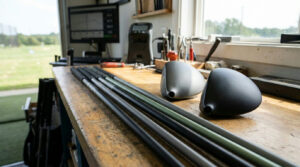
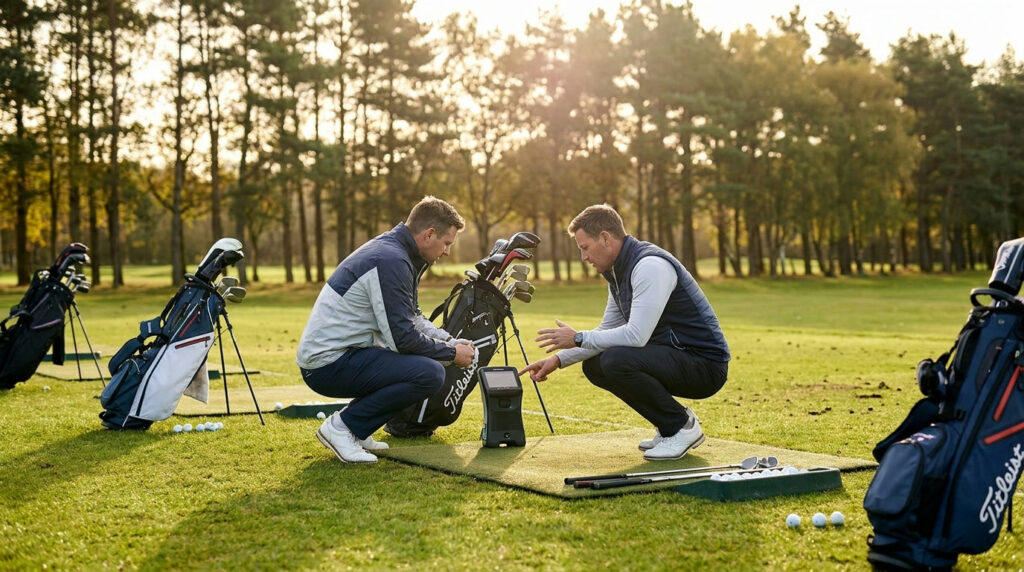
PING’s official fitting overview describes using static measurements as a starting point and then observing shots to refine specifications. It identifies factors including length, lie, grip size, and launch conditions. This is a useful description of its process, not proof that a particular specification or new product is right for you. Ask the fitter to explain unfamiliar terms and connect each recommendation with the question you brought.
Prepare a few questions in advance. What is being compared with my current club? Which part of the setup changed? What observations support the recommendation? Is the fitting addressing a measured specification, a repeated contact pattern, or a preference? What needs further checking outside this session? You do not need to memorize a technical vocabulary to ask these questions. A useful explanation should help you understand why a candidate remains under consideration and what limitations apply, rather than asking you to accept a product category as a complete diagnosis.
Compare candidates with a clear shot task
Choose a task appropriate to the club category and the session. For an iron, that might mean aiming at a defined target with your usual comfortable swing. For a club from the tee, it might mean evaluating a candidate against the current option under the fitter’s guidance. Use the same task when practical, and write down relevant differences in the setup or conditions. Do not force yourself to swing harder just to make a new club appear better. The point is to inspect suitability for the way you play, with the fitter helping interpret the observations.
Use a comparison card containing current club, candidate, documented setup, target, contact observations, recorded ball-flight information if available, and your feedback. Keep the sample’s limitations visible. A single excellent shot is not enough to characterize your whole game. Ask how inconsistent strikes are included in the discussion rather than silently deleting them from the record. A candidate can feel appealing while still needing a further trial or a different configuration. Avoid declaring a universal winner from one session or extrapolating your observations into a recommendation for all beginners.
Treat club categories as options to test
A driver, fairway wood, hybrid, iron, wedge, and putter have different roles in the bag. Start with the role you need to fill. If a long club is difficult to use in the intended situation, ask to compare relevant alternatives rather than assuming the label with the newest technology is the answer. For irons, inspect whether the candidate set supplies usable neighboring options for your actual play. Product terms such as game improvement or high launch can identify manufacturer positioning, but they do not establish personal fit.
For wedges, bring the tasks and course conditions you actually encounter to the discussion. For a putter, explain what you are comparing and ask how the setup is assessed. Do not use one successful category fitting to infer that every club needs the same change. Record the category-specific recommendation and the reason. If the session does not address part of the bag, leave that part unresolved. A thoughtful equipment plan can be gradual, with one clearly understood decision followed by further information, instead of a complete replacement justified by a broad skill label.
Inspect buying terms and the complete configuration
If a candidate appears suitable, obtain the actual configuration in writing. Include the head model, shaft details, length, lie or other relevant adjustments, grip, and any set-composition decisions. Ask the seller to clarify current price, included services, delivery, and return or adjustment terms directly. This guide does not supply a price forecast or claim that a custom order saves money. Compare the real quote and terms with your needs, and keep no purchase among the options if essential information remains unresolved.
For used equipment, verify the offered club rather than assuming it matches the manufacturer’s original stock configuration. Ask which details can be inspected and which remain uncertain. A low listed price does not by itself establish value if the club cannot serve the intended task or needs unconfirmed work. Preserve the fitting record independently of the sales page. If you decide to buy, check the delivered setup through the appropriate seller or fitter before treating the recommendation as fulfilled. A model name alone is not a complete order specification.
Keep a decision record and review it after the trial
Write the question, comparison, observations, recommendation, unresolved information, and next action. If you are taking lessons or changing your swing, tell the fitter and coordinate the relevant equipment discussion with your instructor. Titleist’s fitting guidance advises communicating swing changes and bringing current clubs for baseline comparison. Keep that practical preparation separate from the manufacturer’s marketing claims about outcomes. Your own decision should rest on the actual session and its limitations.
After a permitted trial or delivery, review the intended task in normal practice and record questions for follow-up. Do not assume every unfamiliar shot proves the fitting failed or that every good shot proves the purchase caused improvement. Keep practice, instruction, conditions, and equipment observations distinct. Ask for clarification through the agreed fitting or seller process if the configuration or recommendation is unclear. Matching golf clubs to skill remains an ongoing assessment of usable equipment and real tasks, rather than a one-time assignment to a beginner or senior product list.
Your next fitting decision
Start with your current bag, one fitting question, and a comparison card. Ask for explanations tied to actual observations and keep the complete recommended configuration in writing. Choose a candidate, further assessment, maintenance, instruction, or no purchase according to the information available. The aim is a club decision you understand and can review, with no promise that a skill label determines the right equipment.