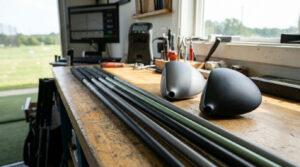

Buying new golf clubs is a big decision. Whether you’re replacing your irons, upgrading your driver, or investing in a full set, the cost can be significant. That’s why it’s smart to demo golf clubs before you commit. A proper demo lets you feel the difference, compare brands, and ensure your purchase improves your game instead of just your bag’s appearance.
Why You Should Demo Golf Clubs First
Avoid Buyer’s Remorse
Clubs that look good in the store may not perform on the course. Testing them before buying prevents regret and wasted money.
See Real Performance Differences
Manufacturers all promise distance, forgiveness, and innovation. But only when you swing the club yourself will you see if it actually helps your game.
Where to Demo Golf Clubs
Golf Retail Stores and Indoor Simulators
Large golf retailers often have hitting bays with launch monitors. You can try multiple brands side by side and compare ball speed, launch angle, and spin.
On-Course Demo Days
Manufacturers often host demo days at local courses. These events let you test new releases outdoors in real playing conditions.
Pro Shops and Country Clubs
Your local pro shop may carry demo clubs. Many clubs allow members to borrow a driver or iron to test during a round.
Online Demo Programs and Club Trials
Some companies and retailers offer trial programs. You pay a small fee, try the clubs at home or on the course, and return them if they’re not a fit.
How to Demo Golf Clubs the Right Way
Test Multiple Brands, Not Just One
Don’t get locked into a single manufacturer. Comparing across brands gives you a clearer picture of what works for your swing.
Bring Your Current Clubs for Comparison
Always test new clubs against your current ones. If you don’t see a noticeable improvement, upgrading might not be worth the cost.
Focus on Performance Metrics That Matter
Distance is great, but accuracy, forgiveness, and consistency lower your scores. Use data like launch monitor stats to track improvements.
Pay Attention to Feel and Comfort
Numbers matter, but so does confidence. If a club feels awkward or looks uncomfortable at address, it may not be the right choice for you.
What to Look for During a Demo
Forgiveness and Consistency
Notice how mishits perform. A forgiving club will still keep your shot playable.
Distance and Launch Angle
Check if the club helps you achieve consistent carry distances with the right trajectory.
Accuracy and Shot Dispersion
Look at your shot pattern. The tighter the dispersion, the more confidence you’ll have on the course.
Shaft Flex and Weight Suitability
Shaft choice can make or break a club. Test different flexes to find the one that matches your swing speed.
Practical Tips for Effective Demos
Hit Enough Shots to See a Pattern
One great shot doesn’t mean the club is perfect. Hit 10–15 balls with each option to see consistency.
Test Under Different Conditions
If possible, test both indoors and outdoors. A launch monitor is useful, but outdoor conditions reveal real ball flight.
Use Launch Monitor Data to Guide You
Metrics like spin rate, ball speed, and smash factor provide objective insights beyond how a shot “feels.”
Common Mistakes to Avoid
Getting Distracted by Marketing Hype
Don’t buy a club just because it’s the latest release. Focus on results, not slogans.
Testing Only Indoors Without Outdoor Validation
Indoor testing is helpful but doesn’t replicate wind, turf interaction, or real course conditions.
Rushing the Process Without Proper Comparison
Take your time. Compare across brands, models, and specs before making your decision.
Budget-Friendly Demo Options
Borrowing from Friends or Golf Partners
Playing a few holes with a buddy’s driver or iron gives you free insight into how it performs.
Renting Clubs on a Round
If you travel or book at a resort, you can often rent premium clubs. Use that round as a live demo.
Trade-In and Try-Before-You-Buy Programs
Some retailers allow you to trade old clubs for credit toward a new set after a trial period. This reduces cost and risk.
Conclusion: Demo Smart, Buy Smart
When it comes to golf equipment, knowledge is power. The best way to avoid regret is to demo golf clubs before buying. Whether at a retail store, during a demo day, or through an online trial, testing clubs gives you confidence and ensures your investment actually improves your game.
FAQ
1. Why is it important to demo golf clubs before buying?
Because testing ensures the club performs for your swing and prevents expensive mistakes.
2. How many clubs should I test in a demo session?
At least 2–3 different models per category (driver, irons, putter) for a fair comparison.
3. Is an indoor simulator enough to judge new clubs?
It’s useful, but outdoor testing gives a more realistic picture of ball flight and turf interaction.
4. Do online trial programs really work?
Yes, many allow you to test at home or on the course with easy return policies if the club isn’t right.
5. Should I pay for a professional fitting before demoing clubs?
Yes, combining demo sessions with a fitting ensures you’re testing clubs that match your swing specs.