
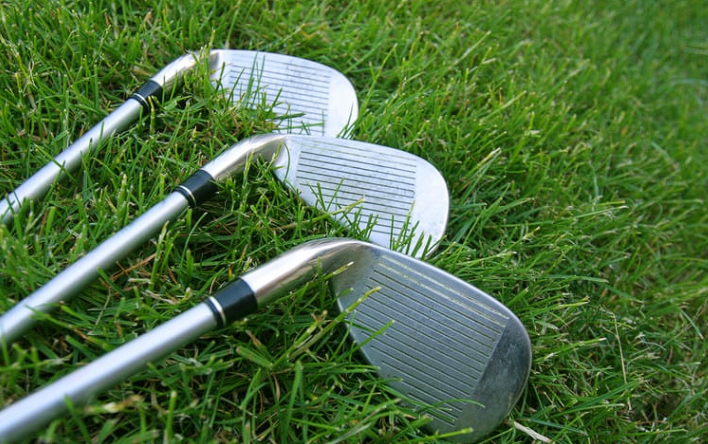
Finding the right golf clubs isn’t just about brand or price. You need to test golf clubs performance to see how they truly respond during play. Clubs that look good in the store might feel completely different once you’re on the course. That’s why on-course testing is the ultimate way to judge if they belong in your bag.
The Problem with Indoor Simulators
Many golfers try clubs at indoor simulators or fitting bays. While these tools provide valuable data, they don’t always translate to the course. The lie angles, turf interaction, and even weather conditions can dramatically affect results. That’s why true on-course testing matters more.
What On-Course Testing Reveals
Testing golf clubs performance on real turf shows you the things simulators can’t. You’ll notice how the ball launches, how the club feels through impact, and how consistent your distances are under pressure. This real-world feedback is priceless.
Start with Drivers: Distance and Forgiveness
When you test a driver, focus on distance, accuracy, and forgiveness. Do mishits still fly reasonably straight? Does the ball launch consistently high enough? On-course testing lets you see how it performs under tee-box nerves.
Irons: Control Meets Forgiveness
Irons are about precision. Testing them on the course lets you check if the club digs into the turf or glides smoothly. Do your shots hold greens, or do they roll out too much? Only real play shows the difference.
Wedges: Spin and Short Game Touch
Practice greens can’t mimic real course lies. On the fairway or in the rough, test your wedges for spin, trajectory, and feel. This reveals how they perform in the moments that save strokes.
Putters: Feel and Distance Control
Putting accounts for nearly half your strokes. When you test a putter on the course, you experience how it rolls on real greens, not just carpet. Judge speed control, alignment, and overall confidence.
Testing in Different Conditions
Golf isn’t played in perfect weather every day. Testing clubs in wind, wet grass, or firm fairways shows you how versatile they really are. A club that performs only in ideal conditions may disappoint in reality.
The Role of Launch Monitors During Testing
Launch monitors add useful numbers during on-course testing. Carry distance, spin rates, and launch angles confirm what you see with your eyes. Numbers combined with feel give a complete picture.
Consistency Over One-Shot Wonders
Don’t be fooled by one great shot. Test golf clubs performance across several holes, swings, and lies. Consistency beats occasional brilliance when building a reliable set.
Comparing Against Your Current Clubs
The easiest way to judge improvement is by comparing new clubs with your current ones. Take both to the course. Does the new club really give you more distance, better accuracy, or improved feel?
Involving a Professional Fitter
An on-course fitting session combines expert eyes with your own feedback. Fitters can spot tendencies, adjust lofts or lie angles, and help you choose clubs that match your swing DNA.
Testing Clubs in Competitive Settings
It’s one thing to test clubs casually. It’s another under pressure. Try them in a friendly match or tournament setting to see if your confidence holds up when the stakes rise.
Documenting Your Testing Results
Keep notes during your test rounds. Track distances, shot shapes, and miss tendencies. This written record helps you make an informed decision instead of relying on memory.
Avoiding Common Testing Mistakes
Many golfers test clubs without clear goals. Don’t just swing blindly. Define what you’re looking for—distance, forgiveness, spin, or feel. This ensures your testing process delivers real insight.
Making the Final Decision
After testing across different clubs and conditions, trust both the data and your gut. The best club is the one that makes you feel confident every time you pull it out of the bag.
Conclusion
Testing golf clubs performance on the course is the only way to know if they truly fit your game. Simulators and numbers are useful, but real grass, real pressure, and real shots tell the full story. When you combine on-course testing with careful observation, you’ll find clubs that don’t just look good—they lower your scores.
FAQ
1. How many rounds should I test golf clubs before deciding?
At least two to three rounds give enough variety in lies and conditions to evaluate performance.
2. Can I rely only on launch monitor numbers when testing?
No. Numbers help, but real course testing reveals turf interaction, confidence, and playability.
3. Should I test clubs with my own golf balls?
Yes. Using your usual ball ensures accurate feedback on spin, distance, and feel.
4. Is it better to test clubs at the range or the course?
Range testing helps, but only the course shows true performance under real playing conditions.
5. How do I know if new clubs outperform my old ones?
Compare consistency, distance, and accuracy. If new clubs provide measurable and reliable improvements, they’re worth the upgrade.