Golf clubs don’t fail overnight. Instead, they fade slowly. At first, you might notice slightly shorter shots. Then, mishits feel harsher. Eventually, confidence slips away. Because this decline happens gradually, many golfers blame themselves rather than their equipment. However, aging clubs often deserve the blame.
Fortunately, replacing outdated gear doesn’t require a complete overhaul. With smart upgrades, performance can return quickly. In fact, the best golf club replacements often feel like an instant reset. Distance improves. Forgiveness increases. Most importantly, trust comes back.
To understand why replacements matter, it helps to know how equipment ages and where modern technology makes the biggest difference.
How Aging Golf Equipment Impacts Your Game
Over time, golf clubs lose efficiency. Faces fatigue. Grooves wear down. Shafts lose consistency. Even grips harden and slip. Although each issue seems small, their combined effect is significant.
As a result, ball speed drops first. Older clubfaces simply don’t flex like modern designs. Consequently, off-center hits lose more distance than they should. Direction also becomes unpredictable because the clubface twists more at impact.
Meanwhile, confidence erodes. When results feel random, swings tighten. Timing suffers. Therefore, replacing aging equipment often restores confidence before anything else.
When Golf Club Replacements Become Necessary
Many golfers wait too long to upgrade. They assume poor results reflect declining skill. However, equipment lifespan is limited. Drivers typically peak within five to seven years. Irons last longer, yet technology still evolves.
If your clubs are over ten years old, replacements deserve serious consideration. Likewise, if distance has dropped without swing changes, equipment may be the cause. Additionally, harsh vibration often signals outdated construction.
Recognizing these signs early prevents frustration. Instead of fighting your clubs, you let modern designs work for you.
Best Golf Club Replacements for Drivers
Drivers deliver the most noticeable improvement when replaced. Modern drivers feature larger sweet spots, higher moment of inertia, and adjustable weighting. As a result, mishits fly straighter and farther.
Older drivers struggle to maintain ball speed on toe or heel strikes. In contrast, new faces flex across a wider area. Consequently, distance loss shrinks dramatically. Adjustable hosels also help fine-tune launch and spin.
Shaft technology matters too. Lighter, more stable shafts increase speed without sacrificing control. Therefore, upgrading your driver often restores distance immediately.
Fairway Woods That Replace Aging Long Clubs
Fairway woods face heavy wear. Soles scrape turf. Faces lose spring. Modern fairway woods solve these problems with improved materials and shaping.
Low centers of gravity help launch shots easily. Meanwhile, flexible faces maintain ball speed. Because of these upgrades, fairway woods now perform consistently from tight lies and rough.
Many golfers also replace old long irons with fairway woods. This change simplifies long shots and boosts confidence. As a result, distance gaps become easier to manage.
Hybrids as Forgiving Replacements for Long Irons
Long irons punish both aging swings and aging equipment. Hybrids exist to solve that problem. They combine iron accuracy with wood forgiveness.
Weight distribution in hybrids stabilizes the clubhead. Therefore, mishits launch higher and fly straighter. Wider soles also improve turf interaction, reducing fat shots.
For golfers struggling with consistency, hybrids rank among the best golf club replacements. They make long shots playable again.
Iron Replacements That Restore Forgiveness
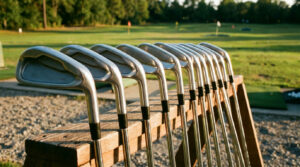
Iron technology has evolved quietly but dramatically. Modern irons feature thin faces, perimeter weighting, and multi-material construction. Together, these features preserve distance across the face.
Older irons lose speed on low or toe strikes. New designs maintain launch and ball speed. Consequently, greens become easier to hit.
Sole design also matters. Wider soles reduce digging and smooth turf interaction. As a result, consistency improves without swing changes.
Wedge Replacements That Improve Scoring
Wedges wear out faster than most clubs. Grooves dull with every shot. Spin drops gradually, then suddenly disappears.
Replacing wedges restores spin and control. Fresh grooves grip the ball better, especially on partial shots. Additionally, modern sole grinds increase versatility around the green.
If chips roll out unpredictably, wedge replacement is overdue. Among all upgrades, wedges often deliver the fastest scoring gains.
Putter Replacements for Better Consistency
Putting mishits cost strokes too. Older putters twist more on off-center contact. That twisting causes speed loss and poor rolls.
Modern putters emphasize stability. High-MOI designs resist twisting and protect distance control. Face inserts also promote smoother roll.
Therefore, if putting feels streaky, a modern replacement may stabilize performance quickly.
Grips as Essential Equipment Replacements
Grips quietly affect every swing. Over time, they harden and lose tackiness. As a result, grip pressure increases.
Replacing grips restores comfort and control. Hands relax. Tempo improves. Even without new clubs, fresh grips feel transformative.
Because grips are inexpensive, they should be replaced regularly.
Why Shaft Technology Makes Replacements Worthwhile
Shafts influence launch, spin, and feel. Older shafts often lack stability and consistency. Modern shafts optimize energy transfer.
Lighter materials increase speed. Improved torque profiles reduce twisting. Consequently, strike quality improves.
Matching shaft flex to swing speed matters more with age. Many golfers benefit from lighter or more flexible options.
Custom Fitting Enhances Golf Club Replacements
Replacing clubs without fitting leaves performance on the table. Even basic fittings reveal strike patterns and launch data.
Correct lie angles improve direction. Proper shaft length improves contact. Loft adjustments optimize trajectory.
Therefore, fitting maximizes the value of replacements.
Balancing Budget and Smart Upgrades
Replacing every club at once isn’t required. Strategic upgrades work better. Drivers, wedges, and irons usually deliver the biggest returns.
Start where performance suffers most. Replace gradually if needed. Modern clubs outperform older ones even across partial sets.
Quality replacements also retain value longer.
Confidence Returns When Equipment Works With You
Forgiving equipment changes how golf feels. Fear fades. Commitment improves. Swings relax naturally.
As confidence grows, consistency follows. Therefore, replacing aging equipment often improves technique indirectly.
How Modern Technology Raises the Performance Floor
Today’s clubs protect average swings. Artificial intelligence optimizes face designs. Advanced materials redistribute weight precisely.
As a result, mishits travel farther and straighter. The best golf club replacements leverage these advances fully.
Conclusion
Aging equipment quietly limits performance. The best golf club replacements restore distance, forgiveness, and confidence without forcing swing changes. By upgrading strategically, you remove hidden barriers holding your game back. Modern clubs don’t change who you are as a golfer. They simply let you play your best version again.
FAQ
1. How often should golf clubs be replaced?
Drivers every five to seven years, irons every eight to ten, wedges every two to three.
2. Which club should I replace first?
Drivers or wedges usually deliver the fastest improvement.
3. Are modern clubs really more forgiving?
Yes. Technology significantly increases forgiveness and consistency.
4. Do I need a full set replacement?
No. Strategic upgrades often work better and cost less.
5. Is club fitting necessary for replacements?
While not mandatory, fitting maximizes performance and consistency.