Deciding whether to buy used golf clubs or invest in brand-new equipment is one of the most common questions golfers face. While new clubs promise the latest technology, used options often deliver impressive value at a lower cost.
At first glance, new clubs may seem like the obvious choice. However, the decision is not always that simple. Many golfers find that when they buy used golf clubs, they still achieve solid performance without overspending.
Understanding the differences between new and pre-owned equipment helps you make a smarter decision. As a result, you can balance performance, budget, and long-term value more effectively.
Why Many Golfers Choose Used Clubs
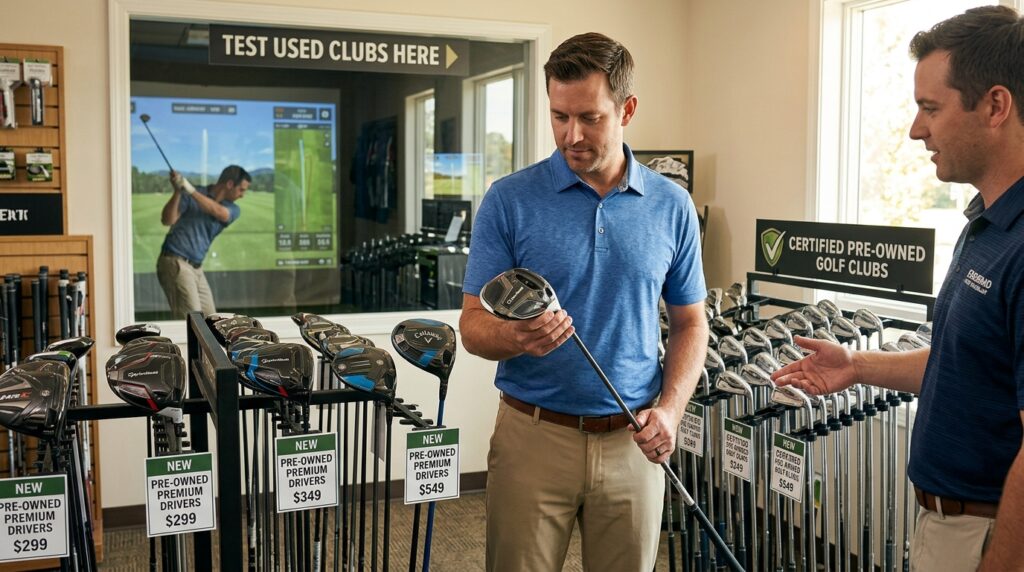
There are several reasons golfers decide to buy used golf clubs. The most obvious advantage is cost savings. Pre-owned clubs are often significantly cheaper than new ones, even when they are only a year or two old.
Because manufacturers release new models frequently, older versions lose value quickly. As a result, you can buy high-quality clubs at a fraction of the original price.
Another advantage is accessibility. Many used clubs come from premium brands. Consequently, you can afford equipment that might otherwise be out of reach.
Additionally, performance differences between recent models are often minimal. Therefore, when you buy used golf clubs, you may not sacrifice much in terms of results.
This makes used clubs an attractive option for many players.
The Advantages of Buying New Clubs
While used clubs offer value, new clubs still have their place. One major benefit is access to the latest technology. Manufacturers continue to improve design, materials, and performance features.
New clubs also come with warranties. This provides peace of mind in case of defects or issues. As a result, your investment feels more secure.
Customization is another advantage. When you buy new clubs, you can often choose specific shaft types, grips, and settings. Consequently, your equipment matches your exact needs.
Condition is also guaranteed. Unlike used options, new clubs have no wear or damage. Therefore, you can expect consistent performance from the start.
Although more expensive, new clubs offer benefits that some golfers value highly.
Performance Differences: New vs Used
One of the biggest concerns is performance. Many golfers wonder if they lose quality when they buy used golf clubs.
In reality, performance differences are often small. Modern clubs remain effective for years. As a result, slightly older models still deliver strong results.
However, condition matters. Worn grooves or damaged faces can affect performance. Therefore, inspecting used clubs carefully is essential.
Technology improvements are usually incremental. Consequently, the latest models may not provide dramatic gains over previous versions.
For most players, skill level has a greater impact than equipment. Therefore, when you buy used golf clubs, you can still perform well with the right selection.
Cost vs Value: What Are You Really Paying For
Price is an important factor, but value goes beyond cost alone. When you buy used golf clubs, you save money upfront. However, long-term value depends on performance and durability.
Used clubs may require replacement sooner if they are heavily worn. As a result, savings could diminish over time. On the other hand, well-maintained used clubs can last for years.
New clubs offer longer lifespan and warranty coverage. Consequently, they may provide better long-term reliability.
Consider how often you play. Frequent golfers may benefit more from new equipment. Meanwhile, occasional players often find better value when they buy used golf clubs.
Balancing cost and usage helps determine the best option for you.
Who Should Buy Used Golf Clubs
Not every golfer needs brand-new equipment. In fact, many players benefit from choosing used options.
Beginners often make the most of this approach. Since their swing is still developing, expensive clubs may not be necessary. Therefore, buying used allows them to learn without overspending.
Casual golfers also benefit. If you play occasionally, the performance difference between new and used clubs may not justify the cost.
Budget-conscious players naturally lean toward used equipment. As a result, they can build a complete set without financial strain.
When you buy used golf clubs, you focus on value rather than trends. This approach works well for many golfers.
When New Clubs Make More Sense
While used clubs offer advantages, there are situations where new equipment is the better choice.
Advanced players often prefer new clubs. They benefit from precise customization and the latest technology. As a result, they can fine-tune performance.
Frequent golfers may also prefer new equipment. Regular use increases wear, so durability becomes more important. Consequently, new clubs may provide better long-term value.
Players seeking specific features should consider new options. Adjustability and customization are often limited in used clubs.
If performance gains matter more than cost, new clubs may be the right choice. Therefore, your priorities should guide your decision.
What to Check Before Buying Used Clubs
If you decide to buy used golf clubs, careful inspection is essential. Not all used equipment offers the same value.
Start by checking the clubface. Look for excessive wear or damage. As a result, you can avoid clubs that may underperform.
Examine the grooves on irons and wedges. Worn grooves reduce spin and control. Consequently, they affect shot performance.
Shaft condition is another important factor. Ensure there are no cracks or bends. Therefore, the club remains reliable.
Grips should also be inspected. Worn grips can affect control, but they are easy to replace.
By paying attention to these details, you can make a smarter purchase.
The Role of Fitting in Your Decision
Whether you buy used golf clubs or new ones, fitting plays a crucial role. Clubs that match your swing improve performance significantly.
Even used clubs can be adjusted. For example, you can change grips or tweak lie angles. As a result, they better suit your needs.
Custom fitting is more accessible with new clubs. However, basic adjustments can still improve used equipment.
Ignoring fitting can lead to inconsistent results. Therefore, it’s important to consider this factor regardless of your choice.
Properly fitted clubs, whether new or used, will always perform better than mismatched ones.
Balancing Budget and Performance Goals
Your decision ultimately depends on your goals. When you buy used golf clubs, you prioritize value and affordability. However, new clubs focus more on performance and customization.
If your goal is improvement, consider how much equipment influences your game. For many players, practice and technique matter more than gear.
Budget also plays a role. Spending within your means ensures that golf remains enjoyable. Consequently, you can invest in other areas like lessons or practice.
By balancing these factors, you can choose the option that best suits your needs.
Conclusion
Deciding whether to buy used golf clubs or new ones depends on your priorities, skill level, and budget. Both options offer unique advantages, and neither is universally better.
Used clubs provide excellent value and allow you to access quality equipment at a lower cost. Meanwhile, new clubs offer the latest technology and customization options.
By understanding your needs and evaluating your options carefully, you can make an informed decision. As a result, your equipment will support your performance and enjoyment on the course.
In the end, the best choice is the one that helps you play better while staying within your budget. Whether you choose new or used, the right clubs will enhance your golfing experience.
FAQ
- Are pre-owned golf clubs good for beginners?
Yes, they offer affordability and solid performance for players still learning the game. - Do used clubs perform as well as new ones?
In many cases, yes, especially if they are well-maintained and not heavily worn. - How much money can I save with second-hand clubs?
Savings can range from 30% to 70%, depending on the condition and model. - Should I get fitted before buying clubs?
Yes, proper fitting improves performance regardless of whether the clubs are new or used. - Is it better to upgrade gradually or all at once?
Gradual upgrades often provide better value and allow you to adjust to changes over time.