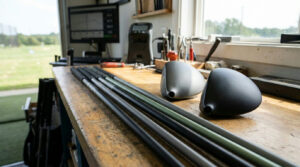
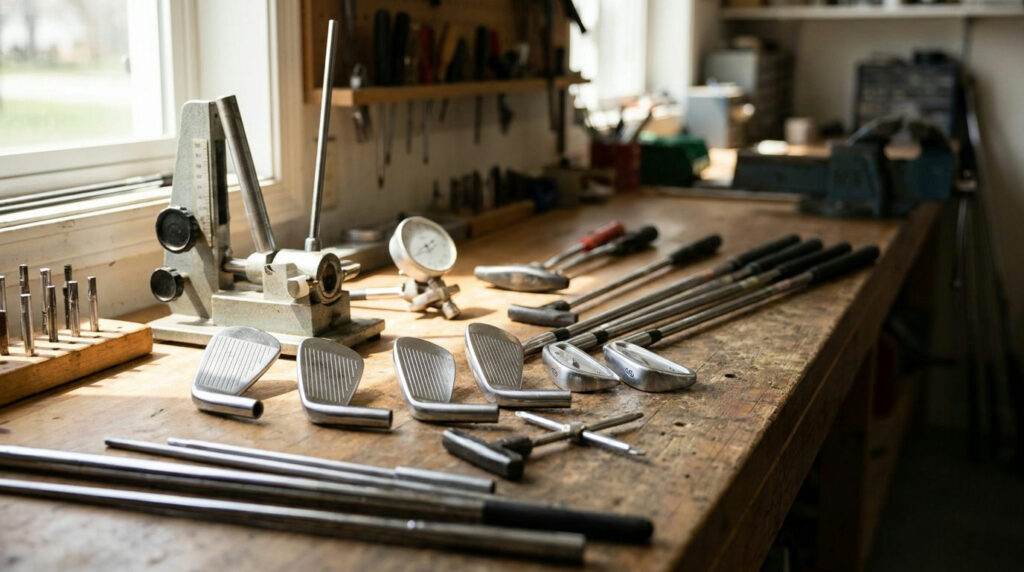
Custom golf club fitting is an assessment of equipment against actual tasks. It can examine one category or several parts of the bag, but it does not establish that every golfer needs a complete new set or guarantee longer shots, lower scores, or health benefits. This guide supplies a category workbook so you can describe the question, understand what is compared, and keep the recommendation reviewable. Use it for a driver, irons, wedges, putter, or a specific configuration concern. The examples are hypothetical fitting questions, not measured golfer outcomes or a financial return forecast.
Make a category workbook instead of a full-bag shopping list
Create a row for each relevant category with current clubs, task, observed uncertainty, confirmed specifications, fitting question, and next action. A driver row could ask about a recurring tee-shot pattern. An iron row could identify neighboring clubs whose uses are unclear. A wedge row could list the shots and conditions you want assessed. A putter row could focus on the current setup. Do not assume every row needs a purchase recommendation. An unresolved specification or maintenance question may be the first item to investigate.
Select the question most useful to address now and confirm that the provider can assess it. Ask which brands or configurations are available, what the appointment covers, and how current fees and follow-up work. Keep seller terms separate from the fitting question. Your workbook should remain useful even if the result is retaining a club or collecting further information. Avoid treating a full-bag package as essential before you understand the actual service and the equipment issues you want it to examine.
Driver row: distinguish the head from the complete setup
Write the actual driver model and any confirmed loft, shaft, length, grip, and adjustment information. Describe the tee task and the observations you want discussed. A fitter may use a launch monitor and compare configurations, but ask what is recorded and how it is interpreted. PING’s official fitting overview describes establishing initial specifications and refining them through shot analysis. That process description does not promise a particular distance gain for your session.
For each driver candidate, add the configuration actually tested, task, relevant conditions, contact pattern, recorded information, and your feedback. Ask what changed from the current club and why. Keep inconsistent strikes in the discussion and do not select only the most attractive shot. If multiple details change together, mark that limitation. A manufacturer’s low-spin or forgiving description can help identify a candidate, but it should not fill an empty field in your own session record. The row should explain the comparison rather than advertise the head.
Iron row: examine useful club roles and configuration questions
List the irons you actually select and the situations where neighboring options are unclear. Keep documented lofts separate from the number stamped on the club. Ask the fitter how the proposed set composition will be evaluated and which parts remain untested. If the question involves length or lie, ask how the current specification is verified and how the club is assessed during shots. Do not prescribe an adjustment from your height alone or from a single directional miss.
Use a target task appropriate to the session and record actual contact and ball-flight observations where available. Ask how longer and shorter irons are considered rather than extrapolating every recommendation from one successful middle-iron shot. If an alternative category is proposed for a particular role, write which task it is intended to serve and how it was compared. The workbook can identify a useful next trial without claiming every golfer needs the same set or that a particular material automatically improves feel, distance, or consistency.
Wedge row: connect the candidate with real short-game tasks
Write the wedge models and confirmed specifications you currently use, then list the shots and playing conditions you want to discuss. Keep a full-shot gap question separate from a greenside or bunker question. Vokey’s official SM11 overview presents loft, bounce, and grind options as parts of its wedge system. Use the relevant manufacturer’s documentation to identify options, then ask a fitter how the actual configuration is assessed for your tasks.
Record the candidate, documented setup, shot task, surface or conditions, observed contact, outcome information actually available, and your feedback. Do not claim that one bounce or grind is right for every golfer who plays a certain course. A change in the shot result alone does not diagnose worn grooves or prove the candidate caused improvement. Ask what the session can assess and what needs a further trial in normal conditions. Keep current-club inspection and manufacturer care guidance among the possible next steps before deciding that replacement is required.
Putter and grip rows: use plain observations rather than a cure claim
For the putter, describe the current setup and the task the session will examine. Ask what specifications are verified and how candidates are compared. Record the actual observations and your feedback separately. Do not turn the category into a promise of lower scores or assume the fitting eliminates every starting-line issue. If the provider does not offer the assessment you need, leave the workbook row unresolved and ask where the question can appropriately be investigated. A general fitting package may not answer every putter concern.
For grips, document the current model or condition where known and the reason for considering a change. Ask which options can be assessed and what the fitter recommends investigating. Keep preference separate from a claimed mechanical effect. Do not diagnose hooks, pushes, or a medical problem from grip size alone. Maintenance or a confirmed specification may be the useful next step. Record the actual recommendation and its scope so a later purchase or replacement does not silently change other parts of the setup you intended to retain.
Keep equipment questions connected with instruction
Tell the fitter if you are taking lessons or working on a swing change. Ask your instructor which information is useful to share. Titleist’s fitting guidance advises bringing current clubs for baseline comparison and communicating relevant swing changes. Keep the conversation specific: the task, current setup, observation, and question. This guide makes no claim that fitting treats pain, prevents injury, or substitutes for instruction or professional health advice.
If an observed miss could involve both technique and equipment, keep the explanations separate until appropriately assessed. Ask what a proposed specification change is intended to address and which questions remain for the instructor. Do not use a product recommendation as a complete swing diagnosis. Save clarifications in the workbook rather than relying on memory. A coordinated discussion can make the next equipment decision understandable without promising that either a lesson or a new club will produce the same result for every player.
Turn the workbook into a written next-step record
At the end of the assessment, request the full recommended configuration for any candidate still under consideration. Include relevant model, shaft, length, lie or other adjustments, grip, and set composition. Ask which details were verified, what supports the recommendation, and what remains unresolved. If purchase is an option, verify the actual current quote, included services, delivery, and return or adjustment terms directly. Do not infer a financial return or assume a custom order is more valuable than retaining existing equipment.
Assign a next action to each workbook row: clarification, maintenance, further trial, instructor discussion, a supported purchase decision, or no change. If equipment is delivered, check that the configuration matches the written recommendation through the appropriate provider. Keep the appointment record and follow-up questions together. Review actual later observations with their conditions and limits, without attributing every shot to the club change. The workbook is complete when you can explain what was assessed and what happens next, not when every category contains a new product.
Your next fitting decision
Use custom golf club fitting to investigate specific equipment questions through a category workbook. Preserve the baseline, actual candidate configurations, observations, preferences, and unresolved information. Obtain a written recommendation and current seller terms where relevant. Choose the next action for each category from the evidence available, with no need to promise universal gains or replace the entire bag.