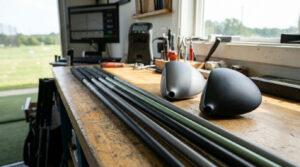
In the evolving world of golf, the concept of a ‘one-size-fits-all’ club is quickly becoming a relic of the past. Today, custom golf club fitting isn’t just for the pros; it’s a critical step for golfers of all skill levels, from beginners to seasoned seniors, looking to optimize their performance and truly enjoy the game. At Best Golf Clubs, we understand that every swing is unique. Therefore, we champion personalization as the ultimate buying tip. With the global golf equipment market growing and a strong emphasis on hyper-personalization, getting fitted is no longer a luxury but a strategic advantage.
Custom fitting ensures your clubs are precisely matched to your unique swing style, physical build, and performance goals. This tailored approach leads to better accuracy, more distance, improved comfort, and a significant boost in confidence on the course. In fact, a significant majority—80% of serious golfers—have been custom fitted for clubs at least once, highlighting its proven value. Let’s explore why this personalized approach is so vital for every golfer.
Why Custom Fitting is Essential for Beginners
For beginners, the idea of a personalized club setup might seem advanced. However, it’s actually where you can see the most dramatic improvements. Starting with clubs that are properly fitted for your height, swing speed, and natural swing path can prevent you from developing bad habits. These habits often stem from compensating for ill-fitting equipment. Imagine trying to learn to drive a car that’s too big or too small for you – it’s frustrating and inefficient. The same applies to golf clubs.
A proper fit from the start means:
- Easier Learning: Clubs feel natural in your hands, promoting a more effective swing.
- Faster Improvement: You will likely see better results quicker, which keeps you motivated.
- Reduced Frustration: There is less fighting with your equipment and more focus on fundamentals.
Advanced fitting systems, utilizing launch monitors and data analytics, provide objective data on aspects like club length, shaft flex, grip size, lie angle, and loft. This data-driven decision-making removes guesswork, allowing beginners to build a solid foundation with the right tools. For more guidance on starting out, consider our Guide to the Best Golf Clubs for Beginners.
Optimizing Performance for Seniors and Experienced Golfers
For seniors, a personalized club setup becomes even more crucial as physical capabilities naturally change over time. Adapting your equipment to match these changes can help maintain distance, improve consistency, and reduce strain. A lighter shaft, a more forgiving clubhead, or an adjusted lie angle can make a world of difference. You can find more specific recommendations in our article, The Best Senior Golf Clubs are Ready and Waiting.
Experienced golfers, too, benefit immensely. Even if you’ve played for years, your swing evolves. A fitting can fine-tune your existing setup or identify areas where new technology can provide an edge. Manufacturers like TaylorMade (with their new Qi4D driver for 2026) and PING (with the G440 K series) continuously innovate. Therefore, staying updated with a fitting ensures you leverage the latest advancements. Many experienced players find that even minor adjustments to their equipment can lead to significant gains on the course.
The Key Elements of a Custom Golf Club Fitting
Understanding the components involved in a personalized club assessment helps appreciate its value. A comprehensive fitting session considers several crucial factors:
- Club Length: This is fundamental. Incorrect club length can force you to alter your posture, leading to inconsistent strikes and potential back strain. A fitter measures your height and wrist-to-floor distance to determine the optimal length.
- Lie Angle: The angle between the sole of the club and the shaft affects the direction of your shots. If the lie angle is too upright, the heel of the club digs in, causing pulls. If it’s too flat, the toe digs in, resulting in pushes. Adjusting this ensures the clubhead sits flush at impact.
- Loft: This is the angle of the clubface, controlling trajectory and distance. Optimizing loft for each club, especially drivers and woods, can significantly impact carry distance and rollout.
- Shaft Flex: The stiffness of the shaft must match your swing speed. A shaft that is too stiff will feel harsh and reduce distance, while one that is too flexible can cause inconsistency and ballooning shots. Fitters use launch monitor data to recommend the ideal flex.
- Grip Size: Often overlooked, grip size is vital for comfort and control. Grips that are too thick or too thin can cause tension or inhibit proper wrist action. A correctly sized grip allows for a relaxed, secure hold.
- Clubhead Design: Different clubheads offer varying levels of forgiveness, spin, and launch characteristics. A fitter helps select the most suitable clubhead for your swing and desired ball flight.
Each of these elements interacts. Therefore, a professional fitter considers them holistically to create a balanced set of clubs. This ensures consistency across your entire bag.
The Fitting Process: What to Expect
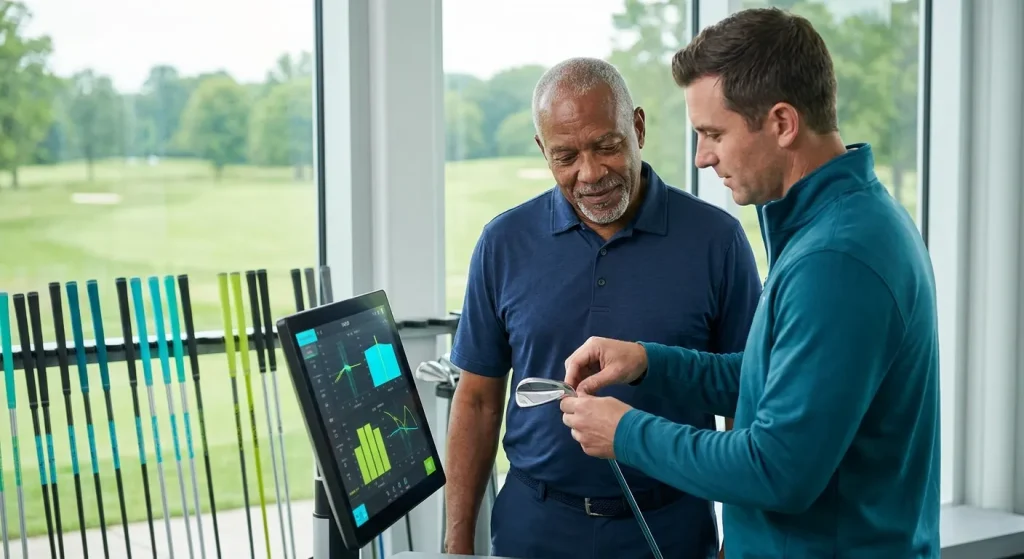
A typical custom golf club fitting involves several steps, designed to gather data and make informed recommendations. Initially, the fitter will conduct an interview to understand your current game, goals, physical limitations, and preferences. They might ask about your typical ball flight, common misses, and desired improvements.
Next, you’ll hit balls with your current clubs or a set of demo clubs while connected to a launch monitor. This technology, such as TrackMan or Foresight Sports GCQuad, captures precise data on club speed, ball speed, launch angle, spin rate, and dispersion. The fitter analyzes this data to identify inefficiencies and areas for improvement. They will then experiment with different clubheads, shafts, and settings, allowing you to hit shots with various combinations. This iterative process helps narrow down the options. Ultimately, the goal is to find the configuration that consistently produces the best results for your unique swing.
The Role of Technology in Modern Fittings
Modern club fitting relies heavily on advanced technology. Launch monitors provide real-time feedback, allowing both the golfer and fitter to see the immediate impact of equipment changes. High-speed cameras can capture swing mechanics, offering visual insights into how you interact with the club. This data-driven approach removes much of the subjectivity from the process. Consequently, it leads to more accurate and effective recommendations. The precision offered by these tools ensures that every adjustment is backed by quantifiable results.
Benefits Beyond Performance: Comfort and Confidence
While improved distance and accuracy are primary motivators for seeking a personalized club assessment, the benefits extend further. Clubs that are perfectly suited to your body and swing provide a level of comfort that off-the-rack equipment rarely offers. This comfort translates to less fatigue during a round and reduced risk of injury. Moreover, when you step onto the tee with clubs you know are optimized for you, your confidence naturally soars. This mental edge can be just as crucial as physical ability in golf.
Feeling confident in your equipment allows you to focus on your shot strategy and execution, rather than worrying about whether your clubs are working against you. This psychological boost can lead to more consistent play and, ultimately, more enjoyment of the game. A comfortable and confident golfer is a better golfer, and a professional fitting helps achieve this state.
When Should You Get a Custom Golf Club Fitting?
Many golfers wonder about the ideal time for a personalized club assessment. Here are some key scenarios:
- As a Beginner: As discussed, starting with properly fitted clubs prevents bad habits and accelerates improvement.
- When Upgrading Equipment: If you’re buying new clubs, especially a full set, a fitting is highly recommended to ensure your investment is worthwhile.
- After Significant Swing Changes: If you’ve taken lessons or made conscious efforts to change your swing, your club specifications might need adjusting.
- When Your Game Changes: As you age, your swing speed might decrease, or physical limitations might emerge. A fitting can adapt your equipment to these changes.
- Experiencing Inconsistency: If you’re struggling with persistent hooks, slices, or inconsistent contact, ill-fitting clubs could be a contributing factor.
- Every Few Years: Even if your game hasn’t drastically changed, technology evolves. A check-up every 3-5 years can ensure you’re still playing with optimal equipment.
A professional custom golf club fitting is an investment in your game. It pays dividends in enjoyment, performance, and confidence. Consider it a strategic move to unlock your full potential on the course. For those looking to upgrade specific parts of their bag, we also have guides like Replace Your Irons with Hybrids, for Easier Shots.
Finding the Right Fitter and Facility
Choosing the right fitter is as important as the fitting itself. Look for certified professionals with experience and access to advanced technology. Reputable golf retailers, dedicated fitting studios, and even some golf courses offer these services. Check reviews and ask for recommendations from fellow golfers. A good fitter will listen to your needs, explain their process clearly, and prioritize your comfort and understanding throughout the session.
Furthermore, ensure the facility has a wide range of demo clubs from various manufacturers. This allows for a true comparison and ensures you’re not limited in your choices. The best fitting experience is one where you feel heard and where the recommendations are clearly backed by data and your own feedback.
The Long-Term Value of Personalized Clubs
Investing in a personalized club assessment offers long-term value. First, properly fitted clubs often last longer because they are used correctly and not subjected to undue stress from compensating swings. Second, the improved performance and enjoyment you gain will keep you engaged with the sport, making your golf journey more rewarding. You’ll likely hit more consistent shots, leading to lower scores and a deeper appreciation for the game.
Ultimately, a custom golf club fitting is about more than just equipment; it’s about tailoring the game to you. It’s about empowering every golfer, regardless of skill level or age, to play their best. This personalized approach truly makes a difference. For additional insights on equipment, consider reading about how to get fitted for golf clubs from Golf.com. The USGA also provides valuable information on equipment standards and club fitting.
Conclusion: Embrace the Personalization
The journey to better golf often begins with understanding your unique swing and ensuring your equipment supports it. Custom golf club fitting is a powerful tool available to every golfer. It helps optimize performance, enhance comfort, and build confidence. From the aspiring beginner to the seasoned senior, the benefits of a personalized club assessment are undeniable. Don’t settle for off-the-rack limitations. Instead, embrace the precision and advantages that a tailored set of clubs can provide. Visit Best Golf Clubs for more expert guides and tips to improve your game.
FAQ
Is getting golf clubs fitted worth the cost?
Yes, absolutely. A professional golf club fitting can significantly improve your game by matching clubs to your unique swing, leading to better accuracy, more distance, and increased consistency. It’s an investment that pays off in enhanced performance and enjoyment on the course.
How long does a golf club fitting session take?
The duration of a personalized club assessment can vary depending on what clubs you are being fitted for. A full bag fitting might take 2-3 hours, while a driver or iron fitting could be 60-90 minutes. It’s a thorough process to ensure optimal results.
Can a beginner benefit from getting fitted for clubs?
Beginners can benefit immensely from a personalized club setup. Starting with clubs that suit your physical characteristics and nascent swing helps prevent bad habits and accelerates your learning and improvement. It provides a solid foundation for your golf journey.
What data points are typically measured during a personalized golf club assessment?
During a fitting, data points like club speed, ball speed, launch angle, spin rate, carry distance, total distance, and dispersion are commonly measured using launch monitors. These metrics help the fitter make data-driven recommendations for club length, lie angle, loft, and shaft flex.
Should I bring my current clubs to a fitting?
Yes, it’s highly recommended to bring your current clubs to your personalized club assessment. This allows the fitter to analyze your existing equipment and compare its performance against various new options, providing a baseline and helping to identify specific areas for improvement.