For many golfers, especially beginners and seniors, the idea of golf club custom fitting might seem like an exclusive service reserved only for professional players. However, this couldn’t be further from the truth. In fact, custom fitting is rapidly becoming a cornerstone of game improvement for golfers of all skill levels, ensuring that your equipment genuinely complements your unique swing and physical attributes. The global golf equipment market, valued at approximately USD 8.6 billion in 2025, is seeing significant growth driven by a strong emphasis on personalization, making custom fitting more accessible and beneficial than ever.
Debunking the Myths: Who Benefits from Custom Fitting?
One of the biggest misconceptions about custom fitting is that it’s only for low-handicappers chasing marginal gains. The reality is that beginners often see the most dramatic improvements. Starting with properly fitted clubs can prevent the development of bad habits, make the game more enjoyable, and accelerate skill progression. For seniors, adapting to physical changes is key to maintaining performance and enjoyment. Custom fit golf clubs can compensate for reduced clubhead speed or flexibility, allowing older players to continue playing effectively and comfortably. A recent trend highlights that 80% of serious golfers have been custom fitted at least once, demonstrating its widespread acceptance and proven value across the spectrum of players.
The Science Behind Your Swing: What Happens During a Fitting?
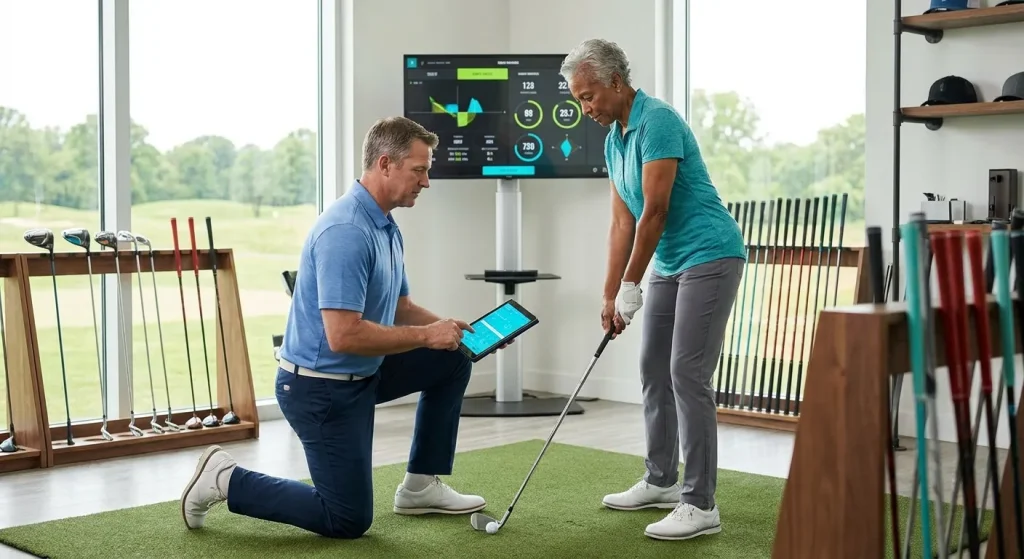
Modern custom fitting is a highly data-driven process, far removed from simple static measurements. It involves advanced fitting systems utilizing state-of-the-art technology:
- Launch Monitors: Devices like TrackMan or Foresight Sports provide real-time data on ball speed, launch angle, spin rate, and carry distance. This scientific accuracy helps fitters understand your swing mechanics and how different club specifications affect ball flight.
- High-Speed Cameras and Motion Sensors: These tools capture every nuance of your swing, from grip pressure to club path, offering insights that even the most experienced eye might miss. AI-powered swing analysis, a significant technological advancement, uses machine learning algorithms to compare your technique to vast databases of successful swings, providing targeted feedback.
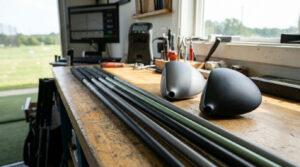
- Adjustable Heads and Shafts: Fitters use a matrix of different clubheads, shafts (varying in flex, weight, and material like steel or graphite), and grips to find the optimal combination for you. This hyper-personalization ensures that aspects like club length, lie angle, and loft are precisely adjusted to your body and swing.
The Key Elements of Personalized Golf Clubs
During a fitting session, several critical elements are assessed and adjusted to create your ideal set:
- Shaft Flex and Material: The shaft is the engine of the club. Its flexibility (flex) and material (steel or graphite) significantly influence swing speed, ball flight, and feel. A fitter will help you understand How to Choose Your Golf Club Shaft Flex, ensuring it matches your swing tempo and power.
- Club Length: An incorrect club length can lead to poor posture, inconsistent contact, and even injury. A proper fit ensures you can maintain a balanced stance and make solid contact consistently.
- Lie Angle: This is the angle between the sole of the club and the shaft. An incorrect lie angle can cause the clubface to point left or right at impact, leading to hooks or slices. Understanding Mastering Your Shots: Understanding Golf Club Lie Angle is crucial for straighter shots.
- Loft: The loft angle dictates the trajectory and distance of your shots. Adjustments can optimize your carry distance and ensure proper gapping between clubs.
- Grip Size and Type: The right grip size promotes proper hand action and reduces tension. Different grip textures and materials can also enhance comfort and control.
- Clubhead Design: Factors like clubhead size, offset, and weight distribution (e.g., perimeter weighting) are selected based on your preferences and typical shot shape. For example, a larger, more forgiving driver might be recommended for a player looking to Fix Golf Slice Equipment.
The Benefits of Personalized Golf Equipment
Investing in a personalized fitting session offers numerous advantages that translate directly to improved on-course performance and enjoyment.
Enhanced Consistency and Accuracy
When your clubs are tailored to your swing, you’re more likely to make consistent contact with the ball. This consistency directly leads to greater accuracy, helping you hit more fairways and greens. Consequently, you’ll see fewer errant shots and more predictable ball flight.
Increased Distance and Optimized Trajectory
A properly fitted shaft and clubhead can unlock your swing’s full potential. For instance, the correct shaft flex ensures maximum energy transfer, leading to increased ball speed and greater distance. Similarly, optimized loft angles provide the ideal trajectory for your swing, maximizing carry and roll. This is especially beneficial for players seeking Senior Golfer Distance Fixes.
Greater Comfort and Reduced Risk of Injury
Playing with clubs that are too long, too short, or have the wrong lie angle can force you into uncomfortable positions, leading to poor posture and potential strain. Custom-fitted clubs promote a natural, comfortable setup, reducing the risk of golf-related injuries and allowing you to play longer and more often. Furthermore, the right grip size prevents excessive tension in your hands and arms.
Faster Skill Development for Beginners
New golfers often struggle with inconsistent ball striking and frustration. Starting with clubs that fit your body and natural swing helps build a solid foundation. This foundational support makes learning easier and more enjoyable, accelerating your progress compared to trying to adapt to ill-fitting, off-the-rack equipment. In fact, many beginners find that a proper fit makes the game feel much more intuitive.
Maintaining Performance for Senior Golfers
As golfers age, physical changes can impact swing speed and flexibility. A personalized club fitting helps seniors adapt their equipment to these changes, allowing them to maintain distance and accuracy. For example, lighter shafts and more forgiving clubheads can help compensate for reduced clubhead speed, ensuring that older players continue to enjoy the game effectively. You can also explore Golf Fitness for Seniors to complement your equipment changes.
Improved Confidence on the Course
Knowing that your equipment is perfectly suited to your game instills a significant boost in confidence. This mental edge can be invaluable, helping you commit to shots and perform better under pressure. Ultimately, confidence leads to more enjoyable rounds and better scores.
The Custom Fitting Process: What to Expect
A typical golf club fitting session involves several steps, all designed to gather data and find the perfect clubs for you.
Initial Interview and Assessment
The session usually begins with a conversation about your current game, goals, and any physical limitations. Your fitter will ask about your typical ball flight, common misses, and what you hope to achieve from the fitting. This initial discussion helps the fitter understand your needs and expectations.
Dynamic Swing Analysis
Next, you’ll hit balls with your current clubs or a set of test clubs. During this phase, launch monitors and high-speed cameras capture extensive data about your swing and ball flight. The fitter observes your swing mechanics, noting your club path, face angle, attack angle, and other critical metrics. This dynamic analysis is central to effective golf club custom fitting.
Experimentation with Different Club Specifications
Based on the data, the fitter will then begin swapping out different clubheads, shafts, and other components. You’ll hit shots with various combinations, and the data will be analyzed in real-time. For instance, you might try different shaft flexes to see which provides the best balance of feel and performance. This iterative process allows for precise adjustments.
Static Measurements and Final Adjustments
Once the optimal dynamic performance is identified, static measurements like wrist-to-floor distance are taken to confirm club length and lie angle. Final adjustments are then made to ensure every club in your bag is perfectly matched. This comprehensive approach ensures that your new clubs are truly bespoke.
Post-Fitting Recommendations
At the end of the session, your fitter will provide detailed recommendations for your new set of clubs, including specifications for each club from driver to wedges. They might also offer advice on specific types of golf balls that complement your swing, such as the Best Golf Balls for Senior Players. Often, you’ll receive a printout or digital report summarizing the findings.
How to Prepare for Your Golf Club Custom Fitting
To make the most of your fitting session, a little preparation goes a long way.
- Bring Your Current Clubs: Even if you plan to get a completely new set, bringing your existing clubs helps the fitter understand your starting point and identify any existing equipment issues.
- Wear Golf Attire: Dress as you would for a round of golf. This includes your golf shoes, which can affect your stance and balance.
- Be Ready to Hit Balls: Ensure you are well-rested and hydrated. You’ll be hitting numerous shots, so being physically prepared is important.
- Be Honest About Your Game: Don’t try to impress the fitter by swinging harder than usual. Provide accurate information about your typical shot patterns and honest feedback on how different clubs feel.
- Communicate Your Goals: Clearly articulate what you want to achieve. Are you looking for more distance, better accuracy, or improved consistency? Your goals will guide the fitting process.
- Research Fitting Centers: Look for reputable fitting centers with experienced professionals and advanced technology. The PGA Tour website offers resources on understanding club fitting.
The Long-Term Value of Custom Fitted Golf Clubs
While the initial investment in a custom fitting might seem significant, the long-term benefits far outweigh the cost. Consider the cost-per-round over the lifespan of your clubs and the enjoyment gained from improved play. Moreover, properly fitted clubs can last longer because they are less likely to be blamed for poor shots and replaced prematurely. This means you won’t constantly be searching for new equipment, saving money in the long run. Instead of buying off-the-rack clubs that might not suit you, a custom fitting ensures you get the right tools from the start. You can also review Finding Value: Reviewing Budget Golf Clubs for New Players for options after your fitting.
Conclusion
Ultimately, golf club custom fitting is not just for the pros; it’s a valuable investment for any golfer serious about improving their game and enhancing their enjoyment on the course. From beginners to seasoned players and seniors, the benefits of personalized equipment are undeniable. By understanding the science, embracing the process, and preparing adequately, you can embark on a path to better performance and more satisfying rounds. Take the step towards a better game – schedule your custom fitting today!
FAQ Section
What is golf club customization?
Golf club customization involves tailoring golf clubs to an individual golfer’s unique physical characteristics and swing mechanics. This includes adjusting elements like shaft flex, club length, lie angle, loft, and grip size to optimize performance and comfort.
How long does a typical fitting session take?
The duration of a fitting session can vary depending on the number of clubs being fitted and the complexity of your needs. A full bag fitting might take 2-3 hours, while a single club fitting (like a driver or irons) could be 60-90 minutes.
Is a personalized club fitting worth the cost?
Many golfers find that a personalized club fitting is well worth the investment. It leads to improved consistency, greater distance, better accuracy, and increased enjoyment of the game. The cost is often offset by the long-term benefits and reduced need for frequent equipment changes.
Can I get my existing clubs adjusted?
Yes, often your existing clubs can be adjusted during a fitting. Lie angles, lofts, and sometimes even shafts and grips can be modified to better suit your swing. This can be a more budget-friendly option than purchasing an entirely new set.
How often should I consider getting my clubs re-fitted?
It’s generally recommended to consider a re-fitting every 3-5 years, or whenever you experience significant changes in your physical condition, swing mechanics, or golfing goals. For seniors, more frequent checks might be beneficial due to natural physical changes over time. You can find more information on the benefits of club fitting from sources like Golf Distillery.