
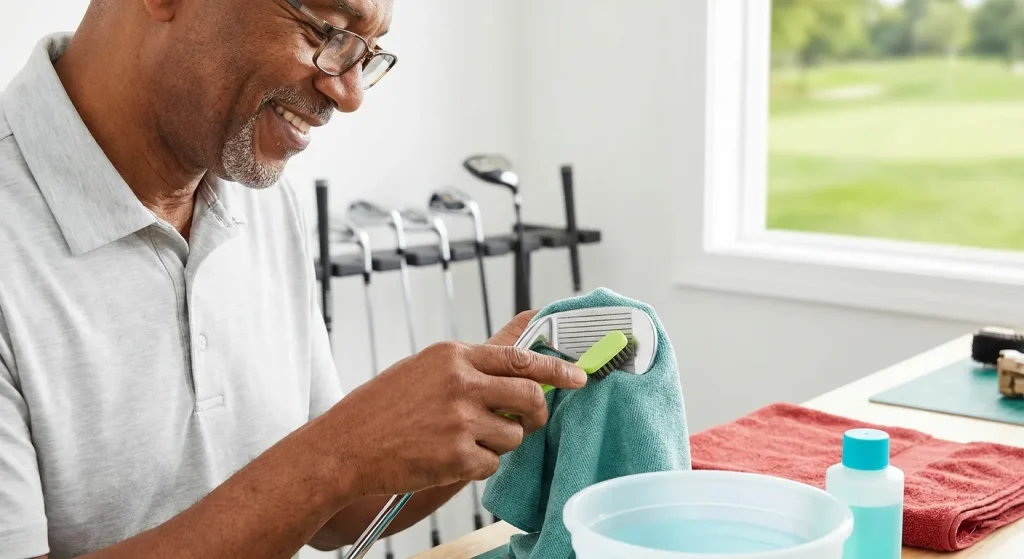
Your golf clubs are more than just tools; they’re a significant investment in your enjoyment of the game and your potential for improvement. Just as the global golf equipment market is growing, so is the importance of protecting your gear. Ensuring your golf club longevity and maintenance is paramount, not just for preserving their appearance, but for maintaining their performance over many seasons. At Best Golf Clubs, we believe in helping you make smarter long-term equipment investments, and that includes showing you how to properly care for and maintain your clubs so they perform optimally for years to come.
This isn’t about overly technical jargon or complex procedures. Instead, it’s about straightforward, consistent care that protects your investment and ensures your clubs are always ready to deliver their best. From proper storage to routine cleaning, these simple habits can significantly extend the life and playability of your entire set, whether you’re a beginner just starting out or a senior golfer looking to keep your trusted clubs in top shape. Consequently, you will enjoy your clubs for many years.
The Essentials of Regular Cleaning: Keep Them Pristine
One of the easiest and most impactful aspects of golf club longevity and maintenance is regular cleaning. Dirt, grass, and sand can accumulate in the grooves of your irons and wedges, drastically reducing their ability to impart spin on the ball. For drivers and woods, grime can affect the clubface’s interaction with the ball. Therefore, after every round, take a few minutes to clean your clubs.
- Irons and Wedges: Use a stiff-bristled brush (a toothbrush works wonders) and warm, soapy water to scrub the clubface, paying close attention to the grooves. Rinse thoroughly and dry immediately with a towel to prevent rust.
- Woods and Driver: Wipe down the clubface and crown with a damp cloth, then dry. Avoid abrasive cleaners that could damage the finish.
- Putters: Treat your putter with care. A soft cloth and mild soap are usually sufficient. For intricate designs, use a soft brush.
- Grips: Often overlooked, clean grips are crucial for maintaining control. Dirt, oils, and sweat make grips slippery. Wipe them down with a damp cloth and mild soap, then rinse and dry. This not only extends their life but also improves your feel and connection to the club.
Proper Storage: Protecting Your Investment Off the Course
How you store your clubs when not in use is just as important as cleaning them. Extreme temperatures, humidity, and physical damage are the enemies of golf clubs. Always store your clubs in a cool, dry place. Avoid leaving them in the trunk of your car for extended periods, especially in hot or cold weather, as this can degrade epoxy, loosen ferrules, and damage grips. As a result, your clubs will last longer.
When storing, ensure club heads aren’t banging against each other. Using headcovers for your woods and hybrids is essential. Some golfers even use iron covers, though opinions vary on their necessity. However, protecting your clubheads from dings and scratches is always a good idea. Consider investing in a good quality golf bag with individual club dividers to further protect your equipment. This simple step contributes significantly to golf club longevity and maintenance.
Understanding Your Golf Club Components and Their Care
Each part of your golf club plays a vital role in its performance and requires specific attention for optimal lifespan. Understanding these components helps you provide targeted care.
Shaft Care: The Backbone of Your Swing
The shaft is the engine of your club, responsible for transferring energy from your swing to the ball. Whether you have graphite or steel shafts, proper care is important. Avoid leaning clubs against hard surfaces where the shafts can get scratched or bent. Furthermore, check for any signs of damage, such as dents or cracks, especially near the clubhead or grip. A damaged shaft can drastically affect performance and even be dangerous. For instance, a small crack can quickly worsen, leading to a broken club during a swing. Regularly wiping down shafts with a damp cloth keeps them clean and allows for easy inspection.
Grip Maintenance: Your Connection to the Club
As mentioned, clean grips are essential. However, grip maintenance goes beyond just cleaning. Grips wear out over time due to use, sweat, and exposure to elements. A worn grip loses its tackiness, leading to a loss of control and an increased tendency to grip the club too tightly, which negatively impacts your swing. Most golf professionals recommend replacing grips every 60–80 rounds, or at least once a year, depending on how often you play. This small investment can make a huge difference in your game and is a key part of maintaining golf club performance. You can find excellent golf club sets with fresh grips or easily replace them on your existing clubs.
Clubhead Protection: Beyond the Covers
While headcovers protect woods and hybrids, the faces of all your clubs, especially irons and wedges, are constantly interacting with the ball and turf. Regular cleaning prevents dirt from embedding into the grooves. Moreover, inspect clubfaces for excessive wear, especially around the sweet spot. While normal wear is expected, deep gouges or significant flattening of grooves on wedges might indicate it’s time for a replacement or regrooving by a professional. This proactive approach ensures consistent performance.
When to Seek Professional Help or Consider Replacement
Even with the best golf club longevity and maintenance practices, some issues require professional attention, or it might be time to consider replacing a club. Knowing when to consult an expert can save you money and keep your game on track.
Signs You Need a Professional
- Loose Clubhead: If you notice any movement or hear a rattling sound from the clubhead, stop using it immediately. This indicates a weakening of the epoxy bond and needs professional repair.
- Bent Shaft: A bent shaft, even a slight one, will significantly alter the club’s performance. A club fitter or repair specialist can assess if it’s repairable or needs replacement.
- Deep Dents or Cracks: While minor scuffs are normal, deep dents or cracks on any part of the club, especially the clubface or sole, can affect performance and durability.
- Grip Installation: While some golfers replace grips themselves, a professional ensures proper alignment and adhesion.
For more specific guidance on different types of clubs, consider our article on The Best Senior Golf Clubs, which often benefit from specialized care due to different material compositions.
Considering Replacements
Technology in golf equipment constantly evolves. While proper care extends life, there comes a point when older clubs might not offer the same performance as newer models. For example, drivers can lose their