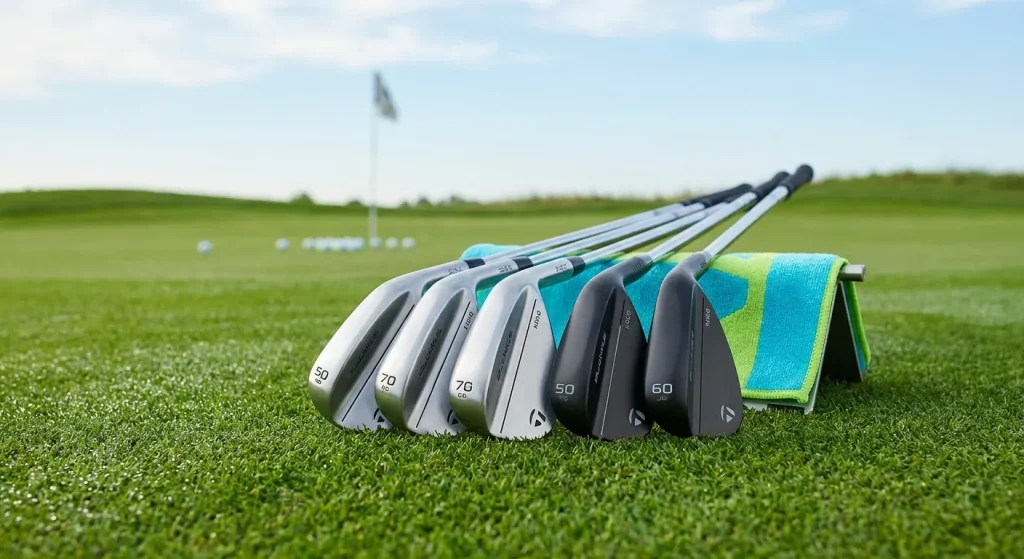
For high handicappers, the short game can be a major source of frustration and lost strokes. Often, the right equipment can make a significant difference, especially when it comes to wedges. Finding the best golf wedges high handicappers can truly benefit from is key to improving your short game and lowering scores. This guide will explore what to look for in a wedge and recommend top picks designed to add forgiveness and control around the greens.
Why Forgiving Golf Wedges High Handicappers Need
Many high handicappers struggle with consistency around the green, often hitting shots fat or thin, or struggling to get the ball close to the hole. Traditional wedges, designed for skilled players, can be less forgiving and harder to control for those still developing their feel and technique. Forgiving golf wedges for high handicappers typically feature wider soles, which help prevent the club from digging into the turf, reducing fat shots. They also often have perimeter weighting or cavity-back designs, similar to game-improvement irons, to offer a larger sweet spot and more stability on off-center hits. The loft options can also be crucial, with higher lofts (like 58 or 60 degrees) sometimes being more challenging to master without proper technique.
Top Golf Wedges High Handicappers Should Consider
When looking for wedges, focus on models known for their forgiveness and ease of use. Brands like Cleveland, Callaway, and Wilson often offer excellent options for higher handicappers. Look for wedges with a wide sole grind, which provides more bounce and reduces the chance of digging, especially in softer conditions or for golfers with a steeper swing. Wedges with a more iron-like profile or a larger clubhead can also instill confidence. Some models even feature technology to help generate more spin, even on less-than-perfect contact. Consider starting with a pitching wedge (around 46-48 degrees) and a sand wedge (around 54-56 degrees) before adding a lob wedge, as these two will cover most short game situations. Test out a few different options at your local pro shop to see what feels most comfortable and delivers the best results for your swing.
Investing in the right wedges can dramatically improve your short game, turning frustrating chips and pitches into confident, scoring opportunities. With the proper golf wedges, high handicappers can start seeing real progress around the greens and enjoy their rounds even more.