
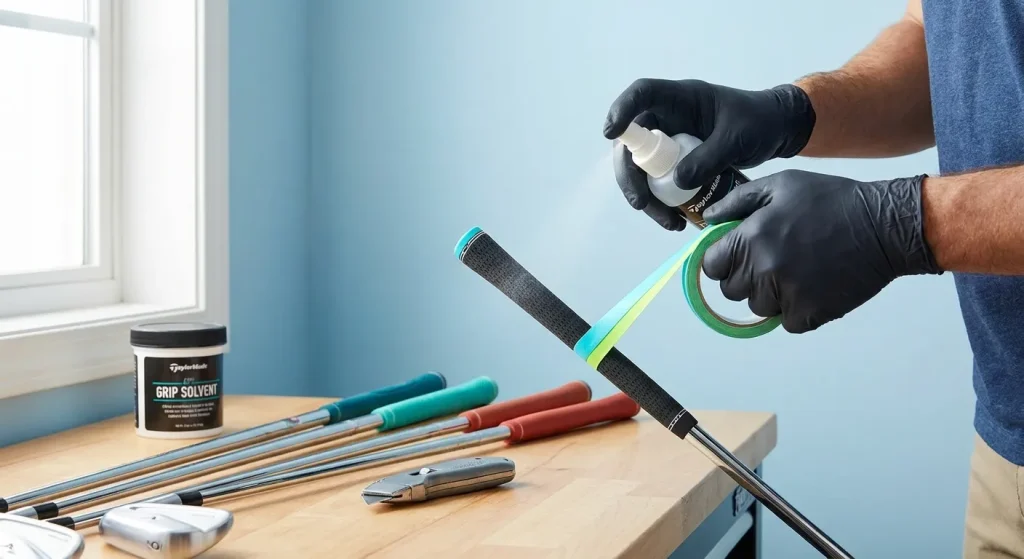
One of the most overlooked aspects of golf club maintenance is the condition of your grips. Over time, sweat, dirt, and oil break down the material, leading to a slick, worn surface that compromises your hold on the club. This not only makes it harder to control your swing but can also lead to excessive grip pressure, causing tension and affecting your overall performance. Learning how to perform regripping golf clubs yourself is a simple, cost-effective way to revitalize your equipment and restore that fresh, confident feel in your hands. For golfers of all skill levels, from beginners to seniors, a fresh set of grips can feel like getting brand new clubs. This DIY guide will walk you through the process, ensuring your clubs are always ready for peak performance.
Why Fresh Grips Matter for Every Golfer
Many golfers underestimate the impact of worn grips on their game. Consider this: your grips are the only direct connection you have with your golf club. Therefore, their condition is paramount. A worn grip forces you to squeeze tighter, creating unnecessary tension in your hands, wrists, and forearms. Consequently, this tension restricts your natural swing path and can lead to inconsistent shots. Furthermore, a slick grip can cause the club to slip during your swing, especially in humid conditions or when your hands are sweaty. This loss of control often results in pushes, pulls, or even shanks.
Conversely, a fresh grip provides superior traction and a more comfortable feel. This allows you to maintain a light, yet secure, hold on the club. As a result, you can swing more freely and with greater confidence. Improved grip pressure also translates to better clubface control through impact, which is crucial for hitting straighter and more accurate shots. Moreover, for senior golfers, new grips can significantly enhance comfort and reduce strain, making each round more enjoyable. In fact, many players report feeling like they have brand new equipment after a simple grip change.
Understanding When to Replace Your Golf Grips
Knowing when to change your grips is as important as knowing how. Generally, golf grips should be replaced every 40 rounds of golf or once a year, whichever comes first. However, several factors can accelerate this timeline. For example, if you play frequently, practice often on the range, or play in hot, humid climates, your grips will likely wear out faster. Similarly, if you don’t store your clubs properly, exposing them to extreme temperatures, this can also degrade the grip material.
Look for visible signs of wear and tear. Are there shiny spots where your hands typically rest? Do the grips feel hard, slick, or cracked? Can you easily twist the grip on the shaft? These are all clear indicators that it’s time for a change. Additionally, if the texture has worn smooth, or if you find yourself subconsciously squeezing the club harder to maintain control, it’s definitely time to consider fresh grips. Don’t wait until your performance suffers; be proactive with your grip maintenance.
Choosing the Right Golf Grips for Your Game
Selecting new grips involves more than just picking a color. Grip size, material, and texture all play a significant role in your feel and performance. Most grips come in standard, midsize, or jumbo options. The correct size ensures your fingers can comfortably wrap around the grip without digging into your palm or leaving too much space. A grip that is too small can lead to over-gripping and tension, while a grip that is too large might restrict wrist movement.
There are several popular grip materials available. Rubber grips are durable and offer good all-weather performance. Cord grips, which integrate cotton fibers, provide excellent traction, especially in wet conditions, though they can feel firmer. Hybrid grips combine rubber and cord elements, offering a balance of feel and traction. Furthermore, specialized grips exist for specific needs, such as softer grips for enhanced comfort, often favored by senior players. Consider your hand size, playing conditions, and personal preference when making your selection. Visiting a local pro shop can help you try different sizes and textures before committing.
Essential Tools and Materials for Regripping Golf Clubs
Before you begin the process of replacing your golf club grips, gather all the necessary tools and materials. Having everything ready will make the task smoother and more efficient. Here’s what you’ll need:
- New Golf Grips: Choose the right size and style for your game. It’s often best to buy a full set if you plan to do all your clubs.
- Double-Sided Grip Tape: This specialized tape provides the adhesive surface for your new grip. You can buy individual strips or a roll.
- Grip Solvent: This liquid lubricates the tape, allowing the grip to slide on easily. Mineral spirits or even lighter fluid can be used as alternatives, but grip solvent is designed specifically for this purpose and evaporates cleanly.
- Utility Knife with a Hooked Blade: The hooked blade is crucial for safely cutting and removing old grips without damaging the shaft.
- Vise with a Rubber Clamp: While optional, a vise securely holds the club, preventing it from twisting during the process. The rubber clamp protects the shaft from scratches.
- Clean Rag or Towel: Useful for wiping off excess solvent and keeping your workspace tidy.
- Well-Ventilated Area: Grip solvent can have strong fumes, so work outdoors or in a garage with good airflow.
Having these items on hand ensures you can complete the job without interruptions, making the process of regripping golf clubs much simpler.
Step-by-Step Guide to Regripping Golf Clubs
Regripping golf clubs is a straightforward process that requires a few basic tools and a little patience. Always work in a well-ventilated area. Here’s how to do it:
1. Secure the Club and Remove the Old Grip
Begin by securing the golf club in a vise, if you have one. Ensure the shaft is protected by a rubber clamp to prevent any damage. If you don’t have a vise, you can carefully hold the club between your legs or have a friend help. Next, using the hooked utility knife, carefully cut down the length of the old grip. Start from the cap and cut towards the clubhead. Once cut, peel the old grip off the shaft. Discard the old grip.
2. Clean the Shaft Thoroughly
This step is crucial for the new grip to adhere properly. After removing the old grip, you’ll likely find old grip tape and adhesive residue on the shaft. Scrape off any remaining old grip tape and adhesive. You can use a utility knife (carefully!) or a stiff brush to remove stubborn bits. Once the bulk is off, wipe the shaft down with a rag soaked in grip solvent to remove any lingering stickiness or dirt. The shaft should be clean and smooth, ready for the new tape.
3. Apply New Double-Sided Grip Tape
Take a new strip of double-sided grip tape. For most grips, the tape should be slightly shorter than the grip itself. Apply the tape down the length of the shaft, starting from the butt end. Ensure the tape is straight and smooth, with no air bubbles or wrinkles. Leave a small overlap at the butt end, which you can fold over to cover the very top of the shaft. Once applied, peel off the backing to expose the second adhesive side.
4. Prepare for Grip Installation
Before sliding on the new grip, cap the butt end of the new grip with your thumb. Then, generously apply grip solvent into the opening of the new grip. Swish it around to coat the inside thoroughly. Next, pour a generous amount of solvent over the entire length of the grip tape on the shaft. The solvent acts as a lubricant, allowing the grip to slide on easily and giving you time to adjust it before it dries.
5. Slide on the New Grip and Align
Quickly, but carefully, slide the new grip onto the shaft. It’s important to do this immediately after applying the solvent, as it starts to evaporate. Push the grip all the way down until it reaches the butt end of the shaft. Once the grip is fully on, you’ll have a few minutes to align it. Adjust the grip so that its logo or pattern is straight and aligned to your preferred playing position. This ensures a consistent feel across all your clubs. Take your time with this step, as once the solvent dries, the grip will be fixed.
6. Allow to Dry
Once the grip is aligned, set the club aside to dry. It’s best to let the clubs dry for several hours, ideally overnight, before using them. This allows the adhesive to fully cure and ensures the grip is securely bonded to the shaft. Using the clubs too soon might cause the grip to shift or come loose. Fresh grips offer improved feel, better control, and can even help reduce tension in your swing, leading to more consistent and enjoyable rounds.
Common Mistakes to Avoid When Regripping Golf Clubs
Even though regripping golf clubs is a relatively simple task, certain mistakes can compromise the outcome. Firstly, not thoroughly cleaning the shaft of old tape and adhesive is a common error. Any residue left behind can create bumps under the new grip or prevent it from adhering properly, leading to a loose or uncomfortable feel. Secondly, not using enough grip solvent is another frequent misstep. If there isn’t enough lubrication, the grip can get stuck halfway on, making it incredibly difficult to adjust or even remove without damaging it.
Furthermore, failing to align the grip properly before the solvent dries is a critical mistake. Once dry, the grip is set, and a crooked grip can be a constant annoyance and even affect your setup. Lastly, rushing the drying process is detrimental. The adhesive needs ample time to cure fully. Using clubs too soon after regripping can cause the grip to slip or twist, requiring you to repeat the entire process. Patience is key for a professional-quality finish.
The Benefits of Regular Grip Maintenance
Regular grip maintenance extends beyond just replacing old grips. It also involves cleaning your grips periodically. Dirt, oils, and sunscreen can accumulate on the surface, making even new grips feel slick. A simple wash with warm water and mild soap, followed by a thorough rinse and air dry, can restore much of their original tackiness. This practice helps to prolong the life of your grips and maintains that fresh, confident feel between replacement cycles.
Moreover, taking care of your grips is part of a broader approach to maintaining golf clubs for longevity. Just as you would clean your clubheads or protect your shafts, your grips deserve attention. A well-maintained set of clubs, including fresh grips, instills confidence and ensures your equipment is always performing at its best. This attention to detail can make a noticeable difference in your consistency and enjoyment on the course.
When to Seek Professional Regripping Services
While regripping golf clubs yourself is a rewarding DIY project, there are situations where seeking professional help is advisable. If you are unsure about grip size, especially if you have very large or very small hands, a professional can measure your hand and recommend the ideal grip. They also have a wider selection of specialized grips and the expertise to install them perfectly. Furthermore, if you have a sensitive shaft, like a graphite shaft that you’re worried about damaging, a professional can handle the process with appropriate care.
Additionally, if you prefer cord grips, which can be a bit trickier to install due to their firmer material, a professional might be a good choice. While the cost is higher than doing it yourself, the peace of mind and guaranteed quality can be worth the investment, particularly for your most-used clubs. Ultimately, whether you DIY or go pro, ensuring your grips are in top condition is a non-negotiable aspect of serious golf maintenance. For those looking to improve their short game, maintaining excellent chipping accuracy wedges also relies heavily on a secure and comfortable grip.
Conclusion
In conclusion, don’t underestimate the power of new grips. Regripping golf clubs is a vital part of long-term gear care that significantly impacts your connection to the club. With this simple DIY guide, you can maintain your equipment like a pro, ensuring a better feel and improved performance on the course. A fresh set of grips can truly rejuvenate your clubs, providing enhanced control, reduced tension, and ultimately, more enjoyable rounds of golf. Make grip maintenance a regular part of your golf routine, and you’ll undoubtedly see the benefits in your game.
FAQ Section
What are the signs that my golf grips need replacing?
Your golf grips need replacing if they appear shiny, feel slick or hard, show cracks or wear spots, or if you find yourself squeezing the club tighter than usual. Generally, it’s recommended to replace them after 40 rounds or once a year.
Can I use water instead of grip solvent to install new grips?
While some people attempt to use water with dish soap, it is not recommended. Grip solvent is specifically formulated to lubricate the tape for easy installation and then evaporate cleanly, allowing the adhesive to cure properly. Water and soap may not evaporate fully and can leave residue, potentially affecting the grip’s adhesion.
How long does it take for new golf club grips to dry?
New golf club grips typically need several hours to dry completely, allowing the adhesive to cure. For best results and to ensure maximum security, it is highly recommended to let them dry overnight, or for at least 8-12 hours, before using the clubs.
What is the benefit of using a hooked utility knife for grip removal?
A hooked utility knife is ideal for removing old golf grips because its curved blade allows you to safely cut down the length of the grip without scratching or damaging the graphite or steel shaft underneath. This precision helps preserve the integrity of your club.
Does changing golf grips affect my club’s swing weight?
Changing golf grips can subtly affect your club’s swing weight. Standard grips typically weigh around 50 grams. If you install a grip that is significantly heavier or lighter, it will slightly alter the swing weight. However, for most recreational golfers, this change is usually negligible and won’t significantly impact performance. Professionals might consider this more carefully for precise club fitting.