
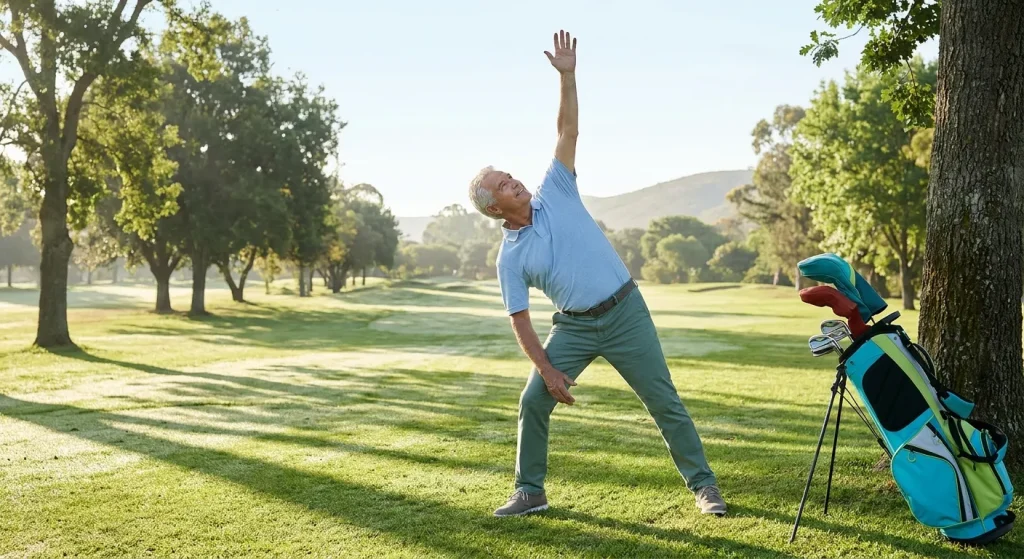
Golf is a sport that truly transcends generations, offering enjoyment and challenge at any age. For many seasoned players, maintaining performance and overall well-being on the course becomes a key focus. This is where dedicated golf fitness for seniors becomes incredibly valuable. It’s not about becoming a professional athlete, but about enhancing your physical capabilities to enjoy more consistent swings, prevent common injuries, and simply have more fun for years to come.
At Best Golf Clubs, we believe that every golfer, regardless of age, deserves to play their best. This guide will walk you through practical, accessible ways to incorporate fitness into your routine, specifically tailored to the needs of older golfers.
Why Golf Fitness for Seniors Matters
As we age, natural physiological changes can impact our golf game. We might notice a decrease in flexibility, a reduction in muscle strength, or a slight decline in balance. These changes can translate to shorter drives, less consistent ball striking, and an increased risk of aches or injuries after a round. However, these challenges are not insurmountable.
By engaging in targeted exercise, senior golfers can actively counteract these effects. Improved flexibility allows for a fuller, more fluid backswing and follow-through. Enhanced strength, particularly in the core, glutes, and shoulders, contributes to more powerful and stable swings. Better balance keeps you grounded throughout your swing, leading to more accurate shots and preventing potential falls on uneven terrain. Ultimately, a proactive approach to fitness means more energy for 18 holes, greater enjoyment of the game, and a longer, healthier golfing life.
Essential Components of Age-Appropriate Golf Training
Building an effective fitness routine doesn’t require hours in a gym or complex equipment. The key is consistency and focusing on movements that directly benefit your golf swing and overall physical health.
Flexibility & Mobility
Range of motion is crucial for a free-flowing golf swing. Gentle, consistent stretching can significantly improve your ability to rotate through your torso and hips, which are vital for generating power and preventing strain.
- Torso Twists (Seated or Standing): Gently rotate your upper body, keeping your lower body relatively still. This mimics the rotational movement of the swing.
- Cat-Cow Stretch: On hands and knees, arch and round your back. Excellent for spinal mobility.
- Hip Flexor Stretch: Kneel on one knee, gently pushing your hips forward. This helps open up the hips for a better turn.
Strength Training (Low Impact)
Focus on building functional strength that supports your swing without putting undue stress on joints. Resistance bands and bodyweight exercises are excellent tools.
- Bridges: Lie on your back, knees bent, feet flat. Lift your hips off the ground. Strengthens glutes and lower back.
- Bird-Dog: On hands and knees, extend one arm forward and the opposite leg backward. Builds core stability and balance.
- Resistance Band Pull-Aparts: Hold a resistance band with both hands in front of you, then pull your hands apart, squeezing your shoulder blades. Strengthens upper back and shoulders.
Balance & Stability
A stable base is fundamental for a consistent swing. Improving your balance can prevent sway and help you maintain posture throughout the swing.
- Single-Leg Stands: Hold onto a chair for support initially, then try balancing on one leg for 30 seconds. Switch legs. Progress to closing your eyes.
- Heel-to-Toe Walking: Walk in a straight line, placing the heel of one foot directly in front of the toes of the other. Improves proprioception and stability.
Cardiovascular Health
Stamina is essential for walking the course and maintaining focus over several hours. Low-impact cardio is ideal.
- Brisk Walking: Even a 20-30 minute walk several times a week can significantly improve your endurance.
- Swimming or Cycling: Excellent low-impact options that build cardiovascular fitness without stressing joints.
Incorporating Fitness Tips for Senior Golfers into Your Routine
Starting a new fitness regimen, especially for older players, should be approached thoughtfully. Here are some practical tips:
1. Start Slow and Listen to Your Body: Begin with shorter sessions and fewer repetitions. Gradually increase intensity and duration as you feel stronger. Discomfort is a signal to ease off.
2. Consistency Over Intensity: Regular, moderate exercise is far more beneficial than sporadic, intense workouts. Aim for 3-4 days a week.
3. Warm-Up and Cool-Down: Always dedicate 5-10 minutes to light cardio and dynamic stretches before your workout or round, and static stretches afterward.
4. Consult a Professional: If you have any pre-existing health conditions or concerns, speak with your doctor or a physical therapist before starting a new exercise program. They can offer personalized fitness tips for senior golfers.
5. Make it Enjoyable: Find activities you genuinely like. Whether it’s walking with a friend, joining a gentle yoga class, or using resistance bands while watching TV, enjoyment fosters adherence.
By integrating these age-appropriate golf training principles into your lifestyle, you’re not just improving your game; you’re investing in your overall health and ensuring many more enjoyable years on the golf course. It’s about more than just equipment; it’s about preparing your body to perform and thrive.