Taking your first swing into golf can be exciting, and choosing the right beginner golf club set is a crucial first step towards enjoying the game. Many new golfers feel overwhelmed by the sheer volume of equipment options. However, at Best Golf Clubs, we believe in simplifying the process. You don’t need a professional’s bag filled with 14 specialized clubs right away. Our goal is to guide you to a foundational set that builds confidence and enjoyment, without unnecessary complexity or cost. Specifically, we focus on helping you find clubs that are forgiving and easy to hit, ensuring a positive initial experience on the course.
Starting golf with the right equipment makes a significant difference. It prevents frustration and allows you to focus on learning the fundamentals. This guide will walk you through what to look for, what to avoid, and how to make an informed decision. Furthermore, we’ll explore key features that benefit new players, like clubhead size and shaft flexibility. Ultimately, our advice aims to get you playing and loving golf sooner.
What’s Really in a Beginner Golf Club Set?
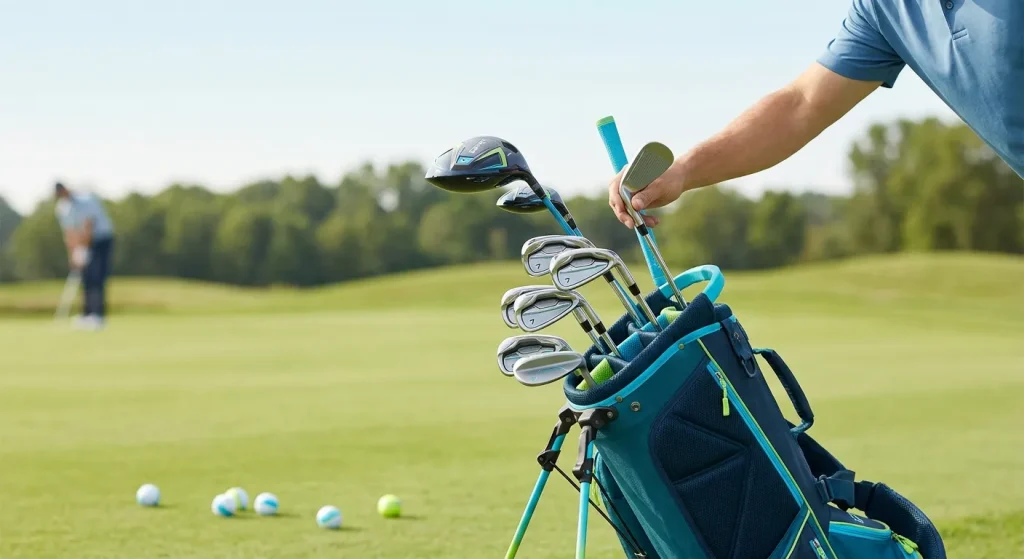
Forget the idea that you need every club in the book. A good starter set focuses on versatility and ease of use. Typically, a beginner’s package will include a select number of clubs designed for various shots, ensuring you have the tools for success on the course. Indeed, these sets are curated to cover the most common golfing situations without overwhelming you.
- Driver: For teeing off and achieving maximum distance. Look for larger clubheads (460cc) and higher lofts (10.5 to 12 degrees) for greater forgiveness. These features help new players get the ball airborne more easily, even on off-center hits. For more advanced options later, you might explore our 2026 Driver Comparison.
- Fairway Woods or Hybrids: These clubs are excellent for longer shots from the fairway or rough. Hybrids, in particular, are favored by beginners and seniors for their ease of hitting compared to long irons, blending the distance of a wood with the control of an iron. Many senior players find these especially helpful for regaining distance, as discussed in our Senior Golfer Distance Fixes guide.
- Irons (6-PW): The core of your bag. Beginners benefit most from ‘game-improvement’ irons, which feature cavity-back designs and perimeter weighting. This design distributes weight to the edges of the clubhead, creating a larger sweet spot and reducing the impact of mis-hits.
- Putter: The club you’ll use most often on the green. While there are many styles, a mallet-style putter often provides more stability and easier alignment for new players. Mastering your short game also involves understanding wedges, which you can learn more about in our guide to Improve Chipping Accuracy Wedges.
Beyond the Basics: Other Clubs You Might Find
Some beginner sets may also include a 5-wood or an additional hybrid. Occasionally, a sand wedge is added, which is useful for getting out of bunkers. However, the core set listed above is generally sufficient for learning the game. Remember, the goal is to keep it simple initially. You can always add more specialized clubs as your skills develop and your understanding of the game grows. Therefore, don’t feel pressured to buy a full 14-club set from the start.
Choosing Your First Beginner Golf Club Set: Key Considerations
When selecting your first set, keep these straightforward tips in mind. These considerations will help you make an informed decision and ensure your initial investment is a wise one. Furthermore, they are designed to simplify the process, preventing common pitfalls new golfers often encounter.
Budget Wisely for Your Golf Club Starter Set
Package sets are specifically designed for beginners and offer excellent value, often including a stand bag. While the golf equipment market is projected to grow significantly, with a strong emphasis on advanced fitting systems and hyper-personalization, for your initial purchase, a well-rounded package set is the most accessible entry point. Once your swing develops, then exploring advanced fitting systems with launch monitors for hyper-personalization becomes a valuable next step, but it’s not essential for your very first clubs. You can find many quality options without breaking the bank. For instance, our article on Reviewing Budget Golf Clubs for New Players offers great suggestions.
Consider how often you plan to play. If golf is a casual hobby, a more budget-friendly option makes sense. Conversely, if you foresee playing regularly, investing slightly more in a durable set might be beneficial. Always compare prices and read reviews before making a final decision. Remember, the most expensive clubs are not necessarily the best for a beginner.
Shaft Material: Graphite is Your Friend
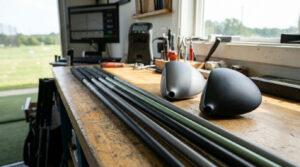
Most beginner sets come with graphite shafts, and for good reason. Graphite is lighter than steel, which can help increase your swing speed and generate more distance, especially if you have a slower swing. It also absorbs more vibration, leading to a more comfortable feel on impact. This reduction in vibration is particularly beneficial for new players, as it can lessen the shock on your hands and arms. Furthermore, graphite shafts tend to be more forgiving, helping to keep shots straighter even on slight mis-hits.
Steel shafts, while durable and offering more feedback, are generally heavier and require a faster swing speed to achieve optimal performance. Consequently, they are less recommended for those just starting out. Stick with graphite for an easier and more enjoyable introduction to the game. Many senior golfers also prefer graphite for its distance-enhancing properties, similar to the considerations for Best Golf Balls for Senior Players.
Flex: Don’t Go Too Stiff
Shaft flex refers to how much the shaft bends during the swing. For most beginners, a